Buy kidzworldespanol.com ?
We are moving the project
kidzworldespanol.com .
Are you interested in purchasing the domain
kidzworldespanol.com ?
domain@kv-gmbh.de · 0541-91531010
Buy kidzworldespanol.com ?
What is self-regulation in psychology and education?
Self-regulation in psychology and education refers to the ability to manage and control one's thoughts, emotions, and behaviors in order to achieve personal and academic goals. It involves skills such as setting and monitoring progress towards goals, managing time effectively, and regulating emotions and impulses. In psychology, self-regulation is seen as a key component of emotional and behavioral self-control, while in education, it is considered essential for academic success and lifelong learning. Effective self-regulation is associated with better academic performance, improved social skills, and overall well-being. **
Why do I have to adhere to the USK and FSK self-regulation if it's self-regulation?
Adhering to the USK and FSK self-regulation is important because it helps ensure that the content of video games and films is appropriate for different age groups. By following these self-regulation guidelines, developers and producers can help protect children from exposure to content that may not be suitable for their age. Additionally, adhering to these guidelines can help maintain a positive public image and avoid potential legal issues related to the distribution of inappropriate content. Ultimately, self-regulation is important for promoting responsible and ethical content creation within the entertainment industry. **

Similar search terms for Self-regulation
Top-Angebote
Products related to Self-regulation:
-
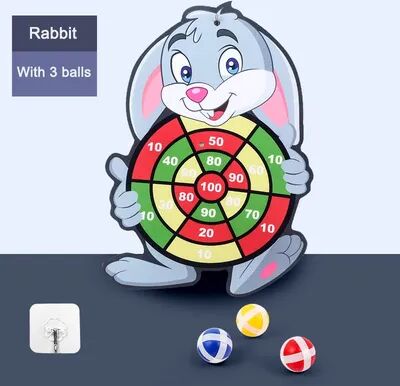
Smart Shopping Spot Educational Dart Board For Children Fun Indoor Sports Game, Montessori Inspired Learning Activity rabbitIntroduce your child to a world of fun and education with this Educational Dart Board designed for children. Perfect for nurturing fine motor skills and handeye coordination, this indoor sports game doubles as both a playful dartboard and a...29,97 $*Shipping: 0,00 $Secure redirect to the provider
-
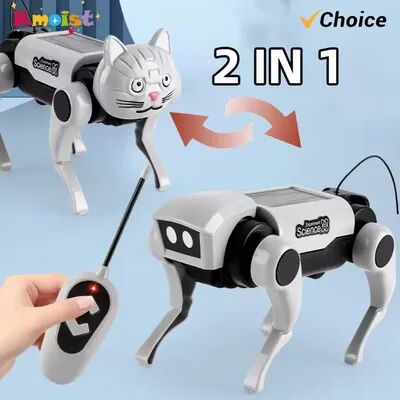
On Spot Shop Interactive RC Robot Dog, Remote Control Electric Toy With DIY Assembly, Fun STEM Learning Gift For Boys & Children Interactive RC Robot Dog, Remote Control Electric Toy With DIY Assembly, Fun STEM Learning Gift For Boys & ChildrenSpark your childs imagination with this RC Robot Children's Remote Control Mechanical Dog Toy! Designed for handson fun and learning, this DIY assembling model combines play with STEM science teaching principles, making it an ideal electric set toy...23,97 $*Shipping: 0,00 $Secure redirect to the provider
-
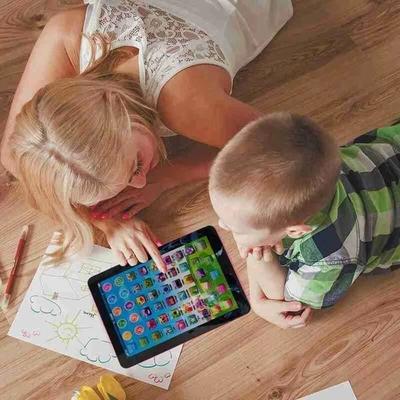
Multicon Wholesale Hub Educational Learning Toys For Kids Fun, Interactive Learning Play For Toddlers Educational Learning Toys For Kids Fun, Interactive Learning Play For ToddlersSpark your child's curiosity and enhance their learning journey with these educational learning toys designed for toddlers ages 27. Carefully crafted to promote cognitive and motor skills, this interactive toy set offers a variety of activities that...59,97 $*Shipping: 0,00 $Secure redirect to the provider
-
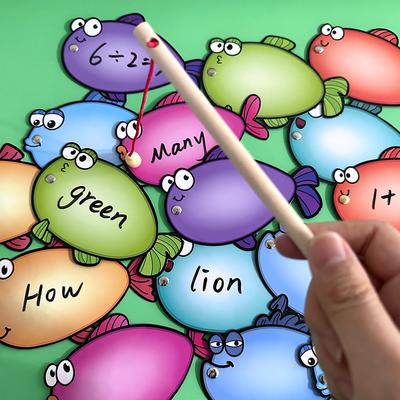
Perfect Picks Market Montessori Reusable Learning Cards Set For Kids Early Education Writing Practice Game Montessori Reusable Learning Cards Set For Kids Early Education Writing Practice GameTurn everyday learning into a fun, handson experience with these Montessori toys designed to spark curiosity and creativity. This engaging set of reusable cards helps young children build essential skills through play, making it perfect for early...39,97 $*Shipping: 0,00 $Secure redirect to the provider
-
What exactly are the learning environment and self-regulation, and what are the differences between them in education?
The learning environment refers to the physical, social, and emotional context in which learning takes place. It includes factors such as the classroom layout, resources, teacher-student interactions, and peer relationships. Self-regulation, on the other hand, refers to the ability of students to manage their own thoughts, behaviors, and emotions in order to achieve their learning goals. It involves skills such as setting goals, monitoring progress, and adapting strategies to meet challenges. The main difference between the learning environment and self-regulation is that the learning environment refers to the external factors that influence learning, while self-regulation refers to the internal processes that enable students to take control of their own learning. The learning environment sets the stage for learning, providing the resources and support necessary for students to engage in self-regulated learning. In essence, the learning environment creates the conditions for self-regulation to occur. **
-
How does self-regulation work in a grazed meadow?
In a grazed meadow, self-regulation occurs through a balance between the grazing animals and the available vegetation. Grazing animals such as cows, sheep, or deer consume the grass and other plants in the meadow, which stimulates new growth and prevents any one species from dominating the ecosystem. As the animals consume the vegetation, they also deposit organic matter in the form of manure, which helps to fertilize the soil and promote further plant growth. This self-regulating process helps to maintain a diverse and healthy ecosystem in the meadow. **
-
What are the possibilities of self-regulation in the forest?
Self-regulation in the forest is primarily carried out by the various organisms and ecological processes that make up the forest ecosystem. For example, trees and plants self-regulate by competing for sunlight, water, and nutrients, which helps to maintain a balance in the forest. Additionally, predator-prey relationships and natural disturbances such as wildfires and disease outbreaks also play a role in self-regulating the forest ecosystem. Human intervention, such as sustainable forestry practices and conservation efforts, can also contribute to the self-regulation of the forest by maintaining a healthy balance of species and ecological processes. **
-
What exactly are environmental influences and self-regulation, and what are the differences between them in education?
Environmental influences refer to external factors that can impact an individual's behavior and development, such as family, peers, school, and community. Self-regulation, on the other hand, is an individual's ability to manage their thoughts, emotions, and behaviors in order to achieve goals and adapt to different situations. In education, environmental influences can shape a student's learning environment and opportunities, while self-regulation plays a crucial role in a student's ability to focus, set goals, and persist in their learning. The key difference between the two is that environmental influences come from external sources, while self-regulation is an internal process controlled by the individual. **

What does the educational program Kita Risk Assessment and Self-Regulation include?
The educational program Kita Risk Assessment and Self-Regulation includes tools and strategies to help children identify and manage risks in their environment. It also focuses on teaching children how to regulate their emotions and behavior in different situations. The program aims to empower children to make informed decisions and develop skills to keep themselves safe. Additionally, it provides guidance for educators on how to support children in developing these important skills. **
What is the FSK (Voluntary Self-Regulation of the Film Industry) for Slender?
The FSK (Voluntary Self-Regulation of the Film Industry) is a German organization responsible for rating and classifying films based on their content. For the film "Slender," the FSK would likely evaluate the movie's content and assign an age rating based on the level of violence, horror, and other potentially disturbing elements. The rating would inform audiences about the suitability of the film for different age groups, helping parents and viewers make informed decisions about whether the film is appropriate for them or their children. **
Top-Angebote
Products related to Self-regulation:
-
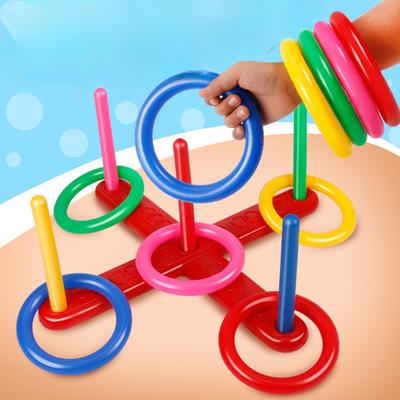
Top Demand Picks Interactive Ring Toss Game, Fun Stacking Ring Games For Early Education, Indoor Outdoor Sports And Fitness Toys For All Interactive Ring Toss Game, Fun Stacking Ring Games For Early Education, Indoor Outdoor Sports And Fitness Toys For AlUnleash hours of active fun and developmental play with our Interactive Ring Throwing Game! This isn't just a toy; it's a gateway to laughter, healthy competition, and skillbuilding for the entire family. Perfect for sports and fitness enthusiasts,...21,97 $*Shipping: 0,00 $Secure redirect to the provider
-
Youfap Market Pinball Battle Table Toys, Children Board Games, Soccer Marble Shoot Game, Family Fun Interactive Social Toy Pinball Battle Table Toys, Children Board Games, Soccer Marble Shoot Game, Family Fun Interactive Social ToyEngage in Interactive Family Fun with the Children Pinball Machine This children pinball machine provides hours of interactive fun, combining the thrill of board games with the excitement of pinball battle. Designed for kids and families alike, it...64,97 $*Shipping: 0,00 $Secure redirect to the provider
-
Smart Shopping Spot Educational Dart Board For Children Fun Indoor Sports Game, Montessori Inspired Learning Activity rabbitIntroduce your child to a world of fun and education with this Educational Dart Board designed for children. Perfect for nurturing fine motor skills and handeye coordination, this indoor sports game doubles as both a playful dartboard and a...29,97 $*Shipping: 0,00 $Secure redirect to the provider
-
On Spot Shop Interactive RC Robot Dog, Remote Control Electric Toy With DIY Assembly, Fun STEM Learning Gift For Boys & Children Interactive RC Robot Dog, Remote Control Electric Toy With DIY Assembly, Fun STEM Learning Gift For Boys & ChildrenSpark your childs imagination with this RC Robot Children's Remote Control Mechanical Dog Toy! Designed for handson fun and learning, this DIY assembling model combines play with STEM science teaching principles, making it an ideal electric set toy...23,97 $*Shipping: 0,00 $Secure redirect to the provider
-
What is self-regulation in psychology and education?
Self-regulation in psychology and education refers to the ability to manage and control one's thoughts, emotions, and behaviors in order to achieve personal and academic goals. It involves skills such as setting and monitoring progress towards goals, managing time effectively, and regulating emotions and impulses. In psychology, self-regulation is seen as a key component of emotional and behavioral self-control, while in education, it is considered essential for academic success and lifelong learning. Effective self-regulation is associated with better academic performance, improved social skills, and overall well-being. **
-
Why do I have to adhere to the USK and FSK self-regulation if it's self-regulation?
Adhering to the USK and FSK self-regulation is important because it helps ensure that the content of video games and films is appropriate for different age groups. By following these self-regulation guidelines, developers and producers can help protect children from exposure to content that may not be suitable for their age. Additionally, adhering to these guidelines can help maintain a positive public image and avoid potential legal issues related to the distribution of inappropriate content. Ultimately, self-regulation is important for promoting responsible and ethical content creation within the entertainment industry. **
-
What exactly are the learning environment and self-regulation, and what are the differences between them in education?
The learning environment refers to the physical, social, and emotional context in which learning takes place. It includes factors such as the classroom layout, resources, teacher-student interactions, and peer relationships. Self-regulation, on the other hand, refers to the ability of students to manage their own thoughts, behaviors, and emotions in order to achieve their learning goals. It involves skills such as setting goals, monitoring progress, and adapting strategies to meet challenges. The main difference between the learning environment and self-regulation is that the learning environment refers to the external factors that influence learning, while self-regulation refers to the internal processes that enable students to take control of their own learning. The learning environment sets the stage for learning, providing the resources and support necessary for students to engage in self-regulated learning. In essence, the learning environment creates the conditions for self-regulation to occur. **
-
How does self-regulation work in a grazed meadow?
In a grazed meadow, self-regulation occurs through a balance between the grazing animals and the available vegetation. Grazing animals such as cows, sheep, or deer consume the grass and other plants in the meadow, which stimulates new growth and prevents any one species from dominating the ecosystem. As the animals consume the vegetation, they also deposit organic matter in the form of manure, which helps to fertilize the soil and promote further plant growth. This self-regulating process helps to maintain a diverse and healthy ecosystem in the meadow. **
Similar search terms for Self-regulation
-
Multicon Wholesale Hub Educational Learning Toys For Kids Fun, Interactive Learning Play For Toddlers Educational Learning Toys For Kids Fun, Interactive Learning Play For ToddlersSpark your child's curiosity and enhance their learning journey with these educational learning toys designed for toddlers ages 27. Carefully crafted to promote cognitive and motor skills, this interactive toy set offers a variety of activities that...59,97 $*Shipping: 0,00 $Secure redirect to the provider
-
Perfect Picks Market Montessori Reusable Learning Cards Set For Kids Early Education Writing Practice Game Montessori Reusable Learning Cards Set For Kids Early Education Writing Practice GameTurn everyday learning into a fun, handson experience with these Montessori toys designed to spark curiosity and creativity. This engaging set of reusable cards helps young children build essential skills through play, making it perfect for early...39,97 $*Shipping: 0,00 $Secure redirect to the provider
-
The Cart Load NEW Educational Learning Toys For Kids, Toddlers, Interactive Learning Pad, Best Early Learning Tool For Children NEW Educational Learning Toys For Kids, Toddlers, Interactive Learning Pad, Best Early Learning Tool For ChildrenStimulate Learning Through Synergy with the NEW Educational Learning Toys for Kid Give your child a head start in their learning journey with the NEW Educational Learning Toys for Kids, designed to captivate and engage toddlers aged 2 to 7. This...39,97 $*Shipping: 0,00 $Secure redirect to the provider
-
Woodpecker Books ltd My First Phonic Sounds 12 Books Collection Box Set with Fun Activities – Level 1 Early Learning & Phonics Reading Collection for KidsMy First Phonic Sounds 12 Books Collection Box Set with Included Fun Activities:Titles In This Set:A Hat for Sam the BatPaddy Panda Paints a PlumRicky Raccoon Runs a RaceIggy Iguana and The FigsNibby’s New NestCora Duck is StuckSandy Skunk’s Smelly SocksMeg and Ben Get WetDaisy Donkey Dances AwayTimmy Tiger Tastes a TomatoHans Hippo Builds a HouseA Mango for Mojo Meerkat.14,99 £*Shipping: 2,99 £Secure redirect to the provider
-
What are the possibilities of self-regulation in the forest?
Self-regulation in the forest is primarily carried out by the various organisms and ecological processes that make up the forest ecosystem. For example, trees and plants self-regulate by competing for sunlight, water, and nutrients, which helps to maintain a balance in the forest. Additionally, predator-prey relationships and natural disturbances such as wildfires and disease outbreaks also play a role in self-regulating the forest ecosystem. Human intervention, such as sustainable forestry practices and conservation efforts, can also contribute to the self-regulation of the forest by maintaining a healthy balance of species and ecological processes. **
-
What exactly are environmental influences and self-regulation, and what are the differences between them in education?
Environmental influences refer to external factors that can impact an individual's behavior and development, such as family, peers, school, and community. Self-regulation, on the other hand, is an individual's ability to manage their thoughts, emotions, and behaviors in order to achieve goals and adapt to different situations. In education, environmental influences can shape a student's learning environment and opportunities, while self-regulation plays a crucial role in a student's ability to focus, set goals, and persist in their learning. The key difference between the two is that environmental influences come from external sources, while self-regulation is an internal process controlled by the individual. **
-
What does the educational program Kita Risk Assessment and Self-Regulation include?
The educational program Kita Risk Assessment and Self-Regulation includes tools and strategies to help children identify and manage risks in their environment. It also focuses on teaching children how to regulate their emotions and behavior in different situations. The program aims to empower children to make informed decisions and develop skills to keep themselves safe. Additionally, it provides guidance for educators on how to support children in developing these important skills. **
-
What is the FSK (Voluntary Self-Regulation of the Film Industry) for Slender?
The FSK (Voluntary Self-Regulation of the Film Industry) is a German organization responsible for rating and classifying films based on their content. For the film "Slender," the FSK would likely evaluate the movie's content and assign an age rating based on the level of violence, horror, and other potentially disturbing elements. The rating would inform audiences about the suitability of the film for different age groups, helping parents and viewers make informed decisions about whether the film is appropriate for them or their children. **
* All prices are inclusive of VAT and, if applicable, plus shipping costs. The offer information is based on the details provided by the respective shop and is updated through automated processes. Real-time updates do not occur, so deviations can occur in individual cases. ** Note: Parts of this content were created by AI.