Buy kidzworldespanol.com ?
We are moving the project
kidzworldespanol.com .
Are you interested in purchasing the domain
kidzworldespanol.com ?
domain@kv-gmbh.de · 0541-91531010
Buy kidzworldespanol.com ?
How was education in the Middle Ages?
Education in the Middle Ages was primarily centered around the Church and was focused on religious teachings and Latin language. The education system was hierarchical, with only the wealthy and nobility having access to formal education. Most education took place in monasteries and cathedral schools, where students learned about theology, philosophy, and classical literature. The curriculum was limited, and there were few opportunities for practical or vocational training. Overall, education in the Middle Ages was limited in scope and accessibility, with a strong emphasis on religious instruction. **
Were children also tortured in the Middle Ages?
Yes, unfortunately, children were also subjected to torture in the Middle Ages. Children were often seen as property and were not granted the same rights and protections as adults. They could be subjected to physical punishment, such as whipping or beating, as a form of discipline or to extract confessions. Additionally, children were also at risk of being accused of witchcraft or heresy, which could lead to them being tortured and executed. Overall, the Middle Ages were a time of great hardship and suffering for many, including children. **
Similar search terms for Ages
Top-Angebote
Products related to Ages:
-
Numberblocks Clip & Learn Number Fun (12 Games) By Trends UK - Ages 3+ - Educational Toys TRENDS UK LTDLearn to count, add, subtract and much more! Description: Numberblocks helps children to see how numbers work and allows them to master a new key maths skill with every adventure. Join the Numberblocks in 12 fun activities with the interactive sheets, including Meet the Numberblocks 1 to 20. Find, add, odds and evens and lots more, including 4 of your favourite songs. Features & Benefits Helps with counting 1 to 20 and number recognition Helps children's learning about comparing and sequencing numbers Explore addition and subtraction Develops fine motor skills Contents: 1 x Clip & Learn Toy Unit 4 x interactive sheets Instruction manual19,99 £*Shipping: 2,99 £Secure redirect to the provider
-
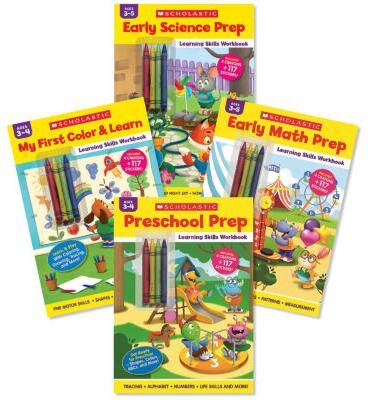
Learning Skills Workbook Ages 3-5 Value PackSupport your child's preschool readiness with these fun workbooks. Each workbook comes with four crayons and stickers.This set includes:Early Math Prep Learning Skills WorkbookEarly Science Prep: Learning Skills WorkbookMy First Color & Learn:...32,99 $*Shipping: 0,00 $Secure redirect to the provider
-
Junior Learning CCVC Bubble Boards, for Ages 5+Children will enjoy blending out words as they pop the bubbles for each sound and identify different phonemes words with Junior Learning's CCVC Bubble Boards. The letters are color-coded where consonants are in blue and short vowels are in red.33,49 $*Shipping: 0,00 $Secure redirect to the provider
-
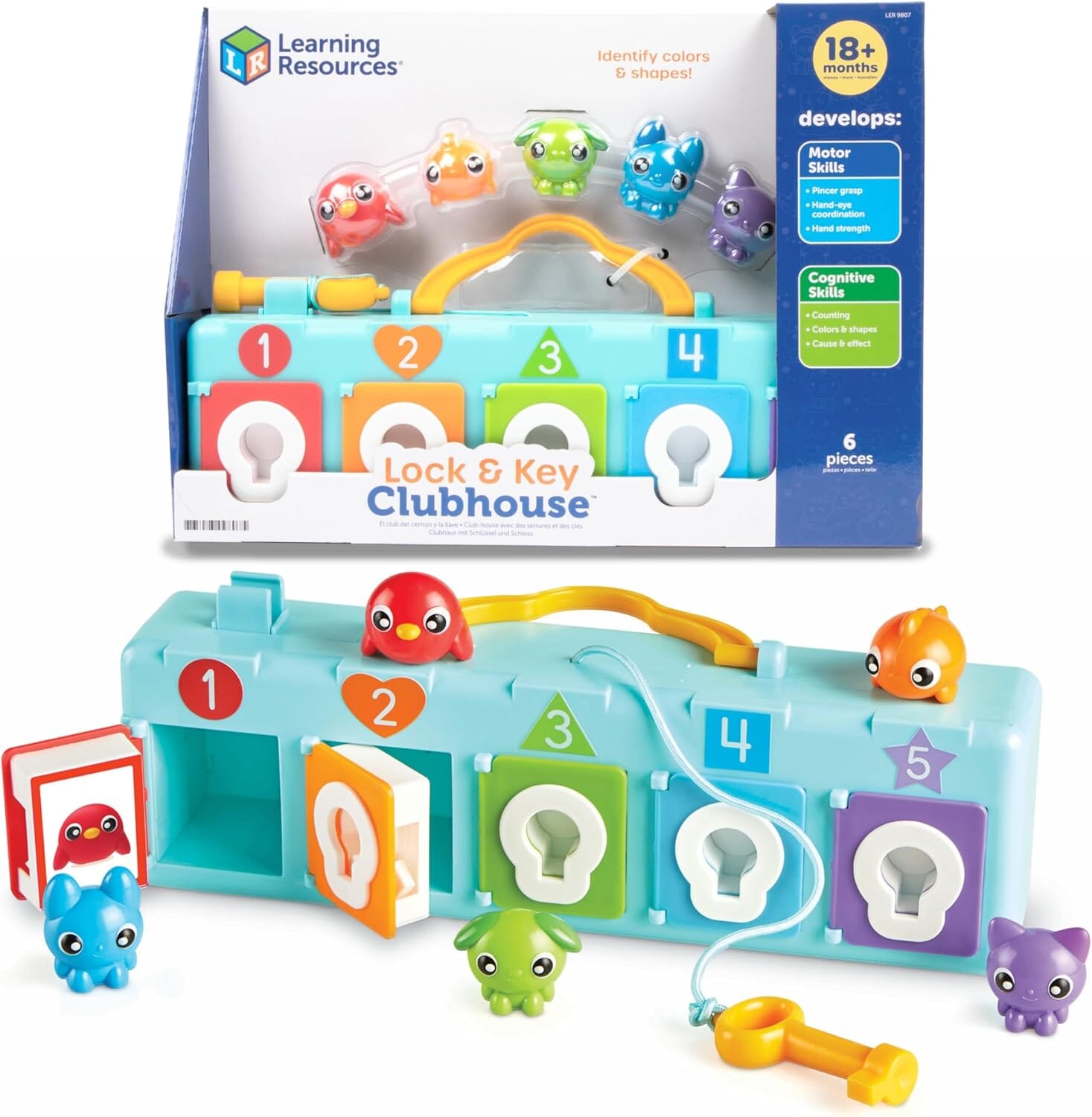
Learning Resources Lock & Key Clubhouse - Ages 18 Months+ - Educational Toy Learning ResourcesUnlock the doors to learning with the Lock & Key Clubhouse! This adorable fine motor skills toy builds co-ordination, hand strength and dexterity with every turn of the key! Discover 5 fun surprises behind the doors. Use the attached chunky key to unlock and open the doors, counting 1, 2, 3, 4, 5 as you go. Find the friendly birdie, fish, puppy, bunny and kitty. There’s a lot of learning packed into this playset. See the shapes above each door! There’s a circle, heart, triangle, square and star. Each also has a different colour and number. The peekaboo aspect of this toy helps children grasp the concept of object permanence, which is an essential early years cognitive milestone.22,99 £*Shipping: 2,99 £Secure redirect to the provider


-
How did children live in the Middle Ages?
In the Middle Ages, children lived very differently than they do today. Many children lived in rural areas and worked on their family's farms, helping with tasks such as planting, harvesting, and tending to animals. They did not have access to modern amenities and often lived in small, crowded homes with their families. Education was not widely available, and only the wealthy or those in religious institutions had the opportunity to learn to read and write. Childhood was also much shorter, as children were expected to take on adult responsibilities at a young age. **
-
Why was there no education in the Middle Ages?
Education was limited in the Middle Ages due to various factors. One reason was the lack of resources and infrastructure to support widespread education. Additionally, the focus during this time was more on survival and meeting basic needs rather than on intellectual pursuits. The control of education by the church also limited access to education for the general population, as it was primarily reserved for the clergy and nobility. **
-
Are there shooter games for ages 0 and up?
No, shooter games are typically not recommended for children ages 0 and up due to the violent and intense nature of the gameplay. These games often contain graphic content, including violence and bloodshed, which may not be suitable for young children. It is important for parents to carefully consider the age appropriateness of video games and choose games that are suitable for their child's age and maturity level. **
-
Can parents allow games for ages 18 and older?
Yes, parents can allow games rated for ages 18 and older for their children, but it is important for them to consider the content of the game and whether it is appropriate for their child's maturity level. Parents should also be aware of the potential impact of playing games with mature content on their child's behavior and attitudes. Setting clear guidelines and having open communication with their child about the content of the games can help parents make informed decisions about allowing games rated for ages 18 and older. **
Which games are suitable for ages 14 and up?
Games suitable for ages 14 and up are typically those that involve more complex strategies, mature themes, and require a higher level of critical thinking and decision-making. Some examples of games suitable for this age group include strategy board games like Settlers of Catan, card games like Magic: The Gathering, and video games with a Teen or Mature rating such as The Legend of Zelda series or the Assassin's Creed series. These games often have more sophisticated rules and themes that are better suited for older teenagers and adults. **
How can one play with two children of different ages?
When playing with two children of different ages, it's important to find activities that can be enjoyed by both children. Look for games or activities that can be easily adapted to suit the abilities and interests of each child. Encourage teamwork and cooperation between the children by setting up activities that require them to work together. Additionally, be sure to give each child individual attention and praise to make them feel included and valued during playtime. **
Top-Angebote
Products related to Ages:
-
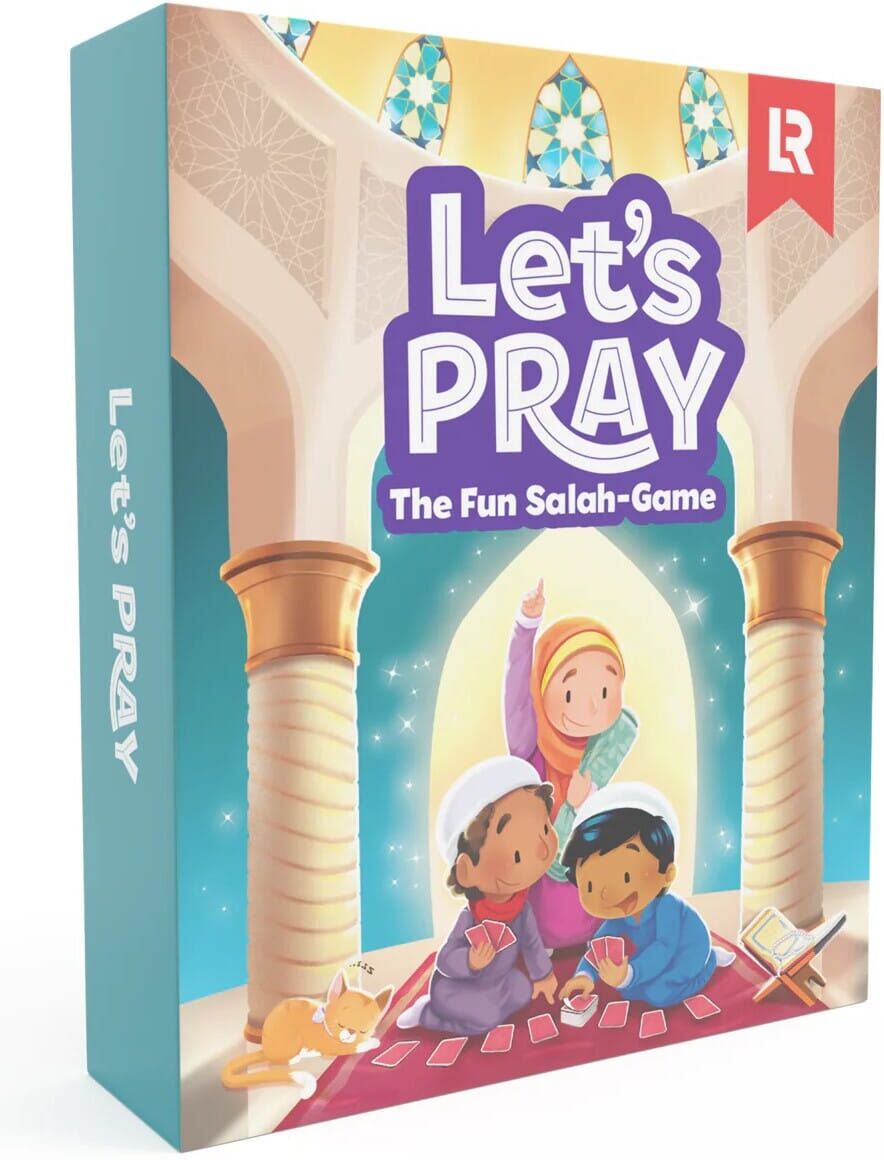
Let's Pray: The Fun Salah Card Game by Learning Roots Publishing - Ages 6+ Learning RootsWhere Faith Meets Fun There's more than one way to learn about Salah, and even if your child knows how to pray, getting them to engage with the prayer is a life-long journey. Making that journey fun, is what Let's Pray is all about. Salah Made Simple Salah is a blessing, not a burden. And the way in which we teach Salah can have a great impact on our children. Let's pray makes learning Salah fun and enjoyable so it sticks for life. Show your child their way to inner peace with this fun way to learn how to pray! Have hours of fun with Salah with 3 games in 1. Covers all aspects of the prayer, from the steps of wudu, prayer actions, prayer words, and prayer times. Works with Kiitab for extra fun and learning.11,99 £*Shipping: 2,99 £Secure redirect to the provider
-
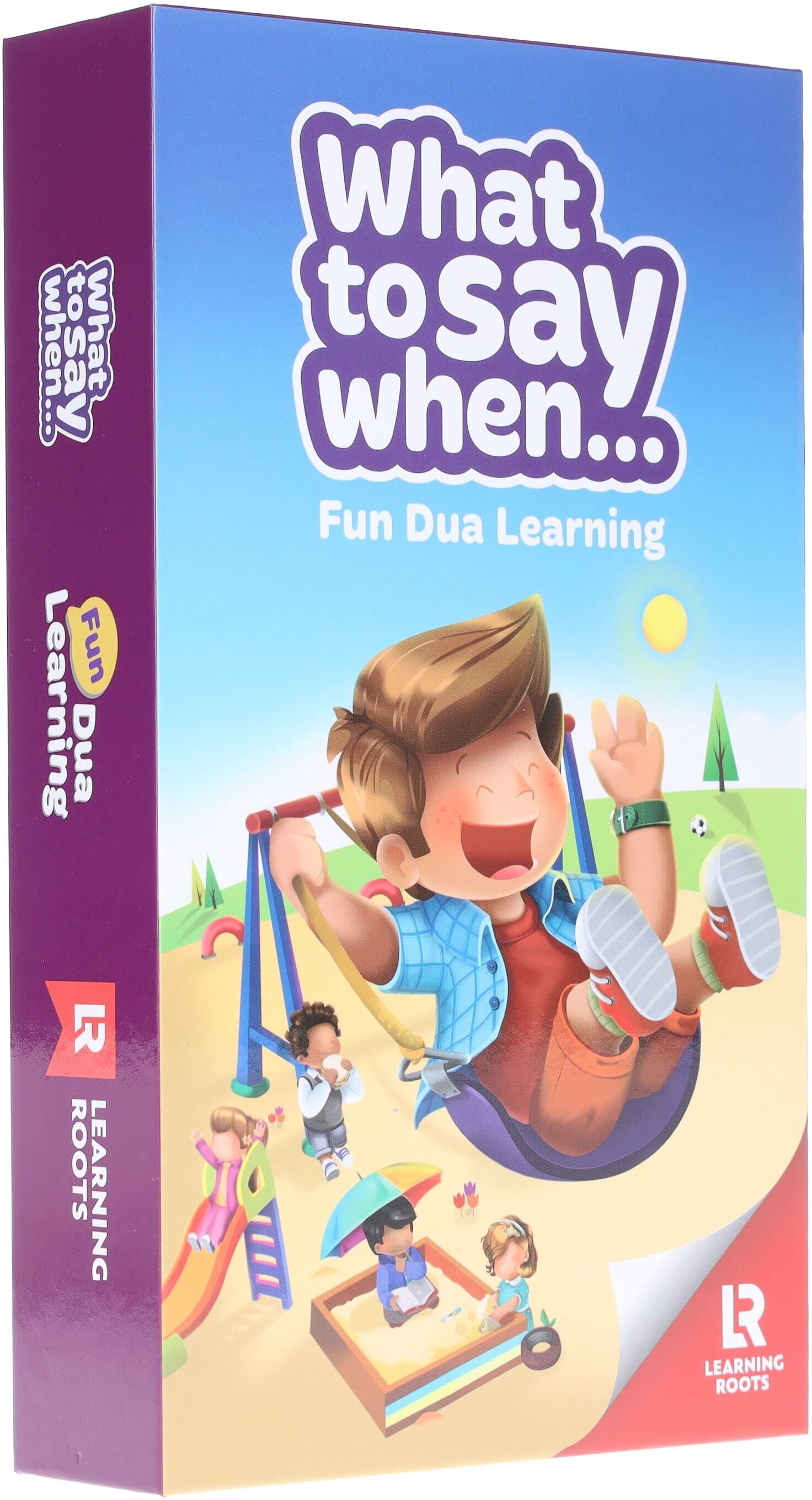
What to Say When... Fun Dua Learning with 27 Card Set: By Learning Roots - Ages 4+ Learning RootsWhat to Say When... Fun Dua Learning: The Interactive Path to Daily Remembrance Build a stronger bond between your child and their Lord, one card at a time. What to Say When... Fun Dua Learning with 27 Card Set by Learning Roots is a brilliant, interactive resource designed to transform dua (supplication) from a memorization task into a joyful, daily habit. Aimed at children aged 4 and up, this set uses high-quality, durable flashcards to introduce the most essential everyday supplications in a way that is practical, visual, and genuinely fun. At Books2Door, we know that spiritual growth is most effective when it is integrated into a child’s routine. This set provides the perfect "pocket-sized" library for parents who want to see their children under Allah's protection through constant remembrance. 1. Practical Learning for Real-Life Moments The secret to the success of this Learning Roots resource is its focus on practicality. These aren't just abstract words; they are the tools for a child’s everyday life. Everyday Context: The set includes 27 cards covering essential moments—from waking up and eating to entering the home and traveling. By focusing on real-life scenarios, the learning becomes immediate and relevant. Bite-Sized Memorization: Each dua is isolated on its own card with large, clear text. The phrases are broken into small, manageable chunks, making it much easier for young minds to memorize without feeling overwhelmed. English Translation: Every card includes a clear English translation. This ensures that the child isn't just reciting Arabic phonetically but is "unlocking" the powerful meanings and intentions behind the words. 2. Designed for Engagement and Durability Learning Roots is a gold standard in Islamic educational resources, and this set is a testament to their commitment to quality and child-centric design. Visual Aids: Every dua is accompanied by a cute illustration that helps the child visualize the action. This sensory connection—seeing the image while hearing the words—significantly boosts retention for children aged 4–7. Laminated for Life: Let’s be honest—kids are tough on their toys. These cards are made from durable laminated cardstock, designed to withstand the wear and tear of daily use, whether at home, in the car, or at Madrasah. Gamified Progress: The cards can easily be incorporated into games or used as a progress tracker, allowing children to independently see how many "good deeds" and powerful words they have mastered. 3. A Global Favourite for Homes and Madrasahs With thousands of copies sold worldwide, What to Say When... has become a staple in modern Muslim households. The Perfect Gift: Whether for Eid, a birthday, or a reward for finishing a Juz of the Qur'an, this set is a thoughtful gift that offers long-term spiritual value. Foundational Faith: By teaching children to turn to Allah in every situation, you are laying the groundwork for a resilient, values-driven identity. Great Value at Books2Door:...13,49 £*Shipping: 2,99 £Secure redirect to the provider
-
Numberblocks Clip & Learn Number Fun (12 Games) By Trends UK - Ages 3+ - Educational Toys TRENDS UK LTDLearn to count, add, subtract and much more! Description: Numberblocks helps children to see how numbers work and allows them to master a new key maths skill with every adventure. Join the Numberblocks in 12 fun activities with the interactive sheets, including Meet the Numberblocks 1 to 20. Find, add, odds and evens and lots more, including 4 of your favourite songs. Features & Benefits Helps with counting 1 to 20 and number recognition Helps children's learning about comparing and sequencing numbers Explore addition and subtraction Develops fine motor skills Contents: 1 x Clip & Learn Toy Unit 4 x interactive sheets Instruction manual19,99 £*Shipping: 2,99 £Secure redirect to the provider
-
Learning Skills Workbook Ages 3-5 Value PackSupport your child's preschool readiness with these fun workbooks. Each workbook comes with four crayons and stickers.This set includes:Early Math Prep Learning Skills WorkbookEarly Science Prep: Learning Skills WorkbookMy First Color & Learn:...32,99 $*Shipping: 0,00 $Secure redirect to the provider
-
How was education in the Middle Ages?
Education in the Middle Ages was primarily centered around the Church and was focused on religious teachings and Latin language. The education system was hierarchical, with only the wealthy and nobility having access to formal education. Most education took place in monasteries and cathedral schools, where students learned about theology, philosophy, and classical literature. The curriculum was limited, and there were few opportunities for practical or vocational training. Overall, education in the Middle Ages was limited in scope and accessibility, with a strong emphasis on religious instruction. **
-
Were children also tortured in the Middle Ages?
Yes, unfortunately, children were also subjected to torture in the Middle Ages. Children were often seen as property and were not granted the same rights and protections as adults. They could be subjected to physical punishment, such as whipping or beating, as a form of discipline or to extract confessions. Additionally, children were also at risk of being accused of witchcraft or heresy, which could lead to them being tortured and executed. Overall, the Middle Ages were a time of great hardship and suffering for many, including children. **
-
How did children live in the Middle Ages?
In the Middle Ages, children lived very differently than they do today. Many children lived in rural areas and worked on their family's farms, helping with tasks such as planting, harvesting, and tending to animals. They did not have access to modern amenities and often lived in small, crowded homes with their families. Education was not widely available, and only the wealthy or those in religious institutions had the opportunity to learn to read and write. Childhood was also much shorter, as children were expected to take on adult responsibilities at a young age. **
-
Why was there no education in the Middle Ages?
Education was limited in the Middle Ages due to various factors. One reason was the lack of resources and infrastructure to support widespread education. Additionally, the focus during this time was more on survival and meeting basic needs rather than on intellectual pursuits. The control of education by the church also limited access to education for the general population, as it was primarily reserved for the clergy and nobility. **
Similar search terms for Ages
-
Junior Learning CCVC Bubble Boards, for Ages 5+Children will enjoy blending out words as they pop the bubbles for each sound and identify different phonemes words with Junior Learning's CCVC Bubble Boards. The letters are color-coded where consonants are in blue and short vowels are in red.33,49 $*Shipping: 0,00 $Secure redirect to the provider
-
Learning Resources Lock & Key Clubhouse - Ages 18 Months+ - Educational Toy Learning ResourcesUnlock the doors to learning with the Lock & Key Clubhouse! This adorable fine motor skills toy builds co-ordination, hand strength and dexterity with every turn of the key! Discover 5 fun surprises behind the doors. Use the attached chunky key to unlock and open the doors, counting 1, 2, 3, 4, 5 as you go. Find the friendly birdie, fish, puppy, bunny and kitty. There’s a lot of learning packed into this playset. See the shapes above each door! There’s a circle, heart, triangle, square and star. Each also has a different colour and number. The peekaboo aspect of this toy helps children grasp the concept of object permanence, which is an essential early years cognitive milestone.22,99 £*Shipping: 2,99 £Secure redirect to the provider
-
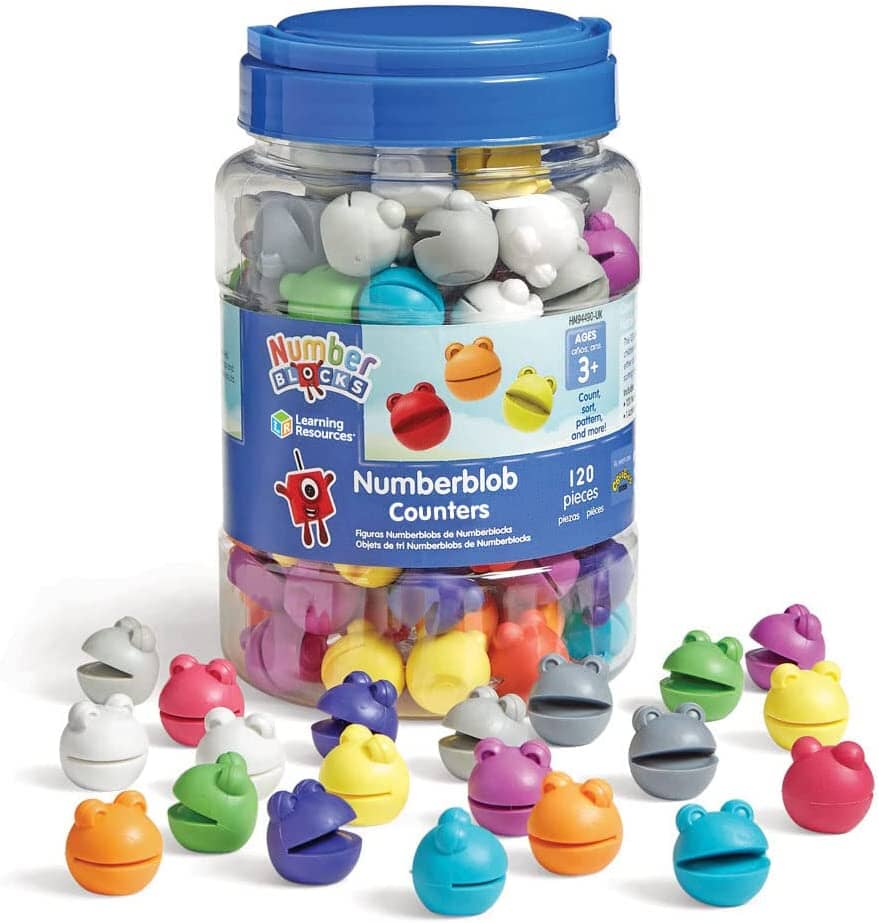
Numberblocks Numberblob Counters Set by Learning Resources - Ages 3 Years+ Learning ResourcesNUMBERBLOCKS AS SEEN ON TV: Bring the magic of on-screen maths learning with the Numberblocks TV series to life in the classroom with these Numberblocks Numberblob Counters VERSATILE TEACHING RESOURCE: Use these counters for teaching a range of essential early years maths skills including counting, sequencing, grouping, patterning, sorting, addition, subtraction, subitising, cardinality, and more MULTIPLE WAYS TO SORT: Numberblob Counters have open and closed mouth poses, and shapes on the bottom of the counters and are ideal for a variety of sorting activities FUN TO USE: These adorable Numberblob Counters are made from high-quality, soft, durable plastic that children will enjoy handling; counters are easy to wipe clean, and store neatly in the convenient storage tub with carry handle INCLUDES: 120 counters in fun Numberblocks unique colours – white, yellow, light orange, dark pink, red, turquoise, blue, purple, green, light grey, and dark grey, plus teacher-developed guide; counters measure 2cm in diameter14,99 £*Shipping: 2,99 £Secure redirect to the provider
-
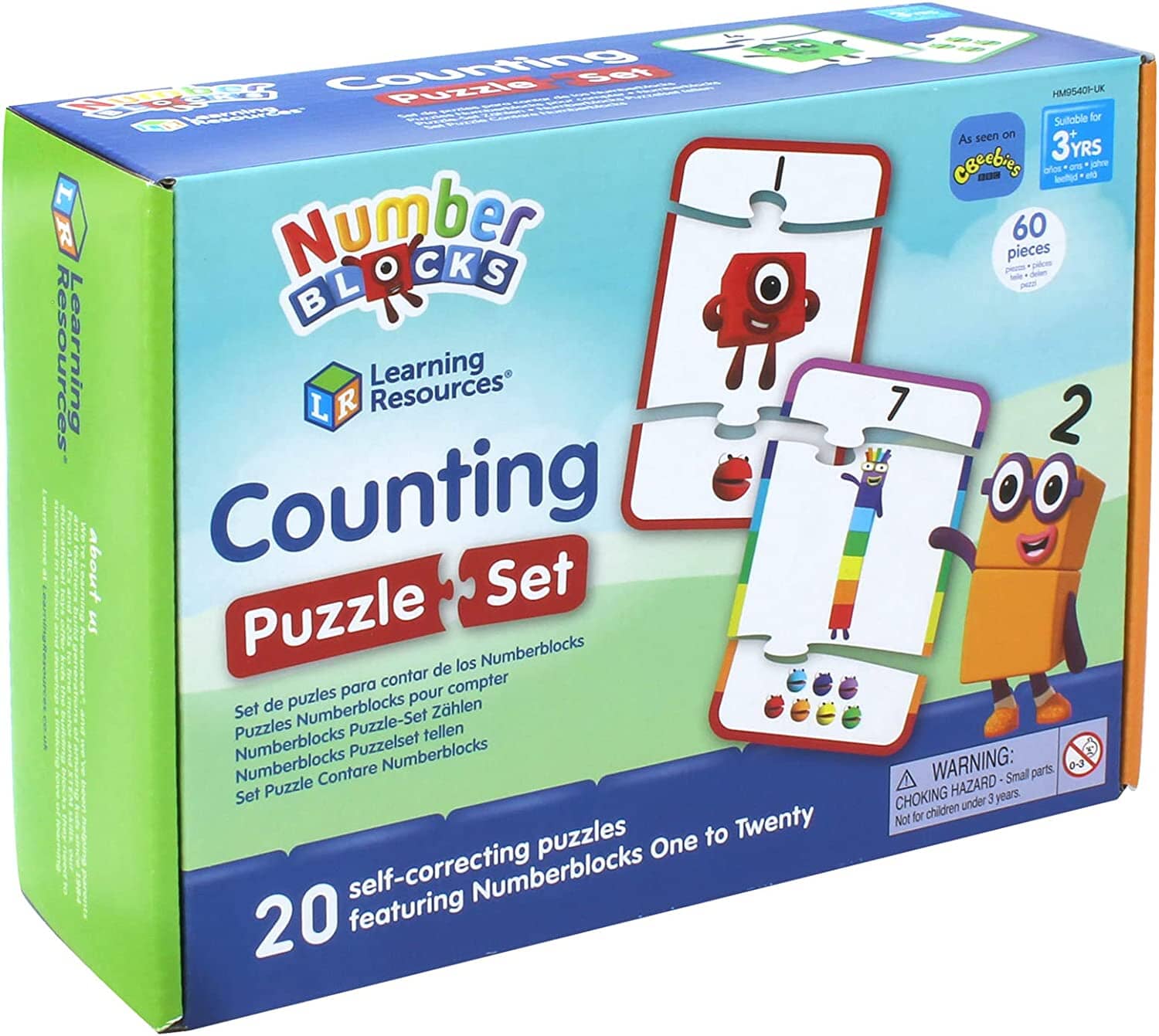
Numberblocks Counting Puzzle Set by Learning Resources - Ages 3 Years+ Learning ResourcesNUMBERBLOCKS AS SEEN ON TV: Learn to count from 1–20 with the friendly Numberblocks! These Numberblocks jigsaw puzzles are based on the friendly characters children know and love from the award-winning TV series. COUNT FROM 1–20: Make learning to count fun! As children complete the 20 counting puzzles, they’ll be counting the Numberblocks and Numberblobs, identifying each Numberblock’s Numberling, as well as building colour recognition and fine motor skills. MATCH NUMBERS & PICTURES: Match the Numberblock to its Numberling, and then see if you can match the puzzle piece with the correct number of Numberblobs to complete the puzzle. SELF-CORRECTING PUZZLES: Each of these clever self-correcting Numberblocks counting puzzles fits together in a unique way, so there’s only one right answer. INCLUDES: 20 x 3-piece puzzles. The chunky pieces are made from durable card and are easy for little hands to hold. Pieces store in the reusable packaging after play. Completed puzzles measure 15cm L x 10cm W.14,99 £*Shipping: 2,99 £Secure redirect to the provider
-
Are there shooter games for ages 0 and up?
No, shooter games are typically not recommended for children ages 0 and up due to the violent and intense nature of the gameplay. These games often contain graphic content, including violence and bloodshed, which may not be suitable for young children. It is important for parents to carefully consider the age appropriateness of video games and choose games that are suitable for their child's age and maturity level. **
-
Can parents allow games for ages 18 and older?
Yes, parents can allow games rated for ages 18 and older for their children, but it is important for them to consider the content of the game and whether it is appropriate for their child's maturity level. Parents should also be aware of the potential impact of playing games with mature content on their child's behavior and attitudes. Setting clear guidelines and having open communication with their child about the content of the games can help parents make informed decisions about allowing games rated for ages 18 and older. **
-
Which games are suitable for ages 14 and up?
Games suitable for ages 14 and up are typically those that involve more complex strategies, mature themes, and require a higher level of critical thinking and decision-making. Some examples of games suitable for this age group include strategy board games like Settlers of Catan, card games like Magic: The Gathering, and video games with a Teen or Mature rating such as The Legend of Zelda series or the Assassin's Creed series. These games often have more sophisticated rules and themes that are better suited for older teenagers and adults. **
-
How can one play with two children of different ages?
When playing with two children of different ages, it's important to find activities that can be enjoyed by both children. Look for games or activities that can be easily adapted to suit the abilities and interests of each child. Encourage teamwork and cooperation between the children by setting up activities that require them to work together. Additionally, be sure to give each child individual attention and praise to make them feel included and valued during playtime. **
* All prices are inclusive of VAT and, if applicable, plus shipping costs. The offer information is based on the details provided by the respective shop and is updated through automated processes. Real-time updates do not occur, so deviations can occur in individual cases. ** Note: Parts of this content were created by AI.