Buy kidzworldespanol.com ?
We are moving the project
kidzworldespanol.com .
Are you interested in purchasing the domain
kidzworldespanol.com ?
domain@kv-gmbh.de · 0541-91531010
Buy kidzworldespanol.com ?
What are alcohols?
Alcohols are a class of organic compounds that contain a hydroxyl group (-OH) attached to a carbon atom. They are characterized by their ability to dissolve in water and their distinct smell and taste. Alcohols can be classified based on the number of carbon atoms bonded to the carbon atom with the hydroxyl group, such as methanol, ethanol, and isopropanol. They are commonly used as solvents, disinfectants, and in alcoholic beverages. **
Are polyhydric alcohols the same as, for example, secondary alcohols?
No, polyhydric alcohols and secondary alcohols are not the same. Polyhydric alcohols are alcohols that contain more than one hydroxyl (-OH) group in their structure, such as glycerol or ethylene glycol. Secondary alcohols, on the other hand, are a specific type of alcohol where the carbon atom bearing the hydroxyl group is bonded to two other carbon atoms. Examples of secondary alcohols include isopropanol and 2-butanol. Therefore, while polyhydric alcohols refer to the presence of multiple hydroxyl groups, secondary alcohols refer to the specific structure of the carbon atom bonded to the hydroxyl group. **

Similar search terms for Alcohols
Top-Angebote
Products related to Alcohols:
-
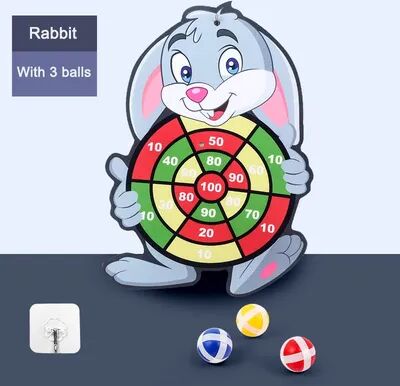
Smart Shopping Spot Educational Dart Board For Children Fun Indoor Sports Game, Montessori Inspired Learning Activity rabbitIntroduce your child to a world of fun and education with this Educational Dart Board designed for children. Perfect for nurturing fine motor skills and handeye coordination, this indoor sports game doubles as both a playful dartboard and a...29,97 $*Shipping: 0,00 $Secure redirect to the provider
-
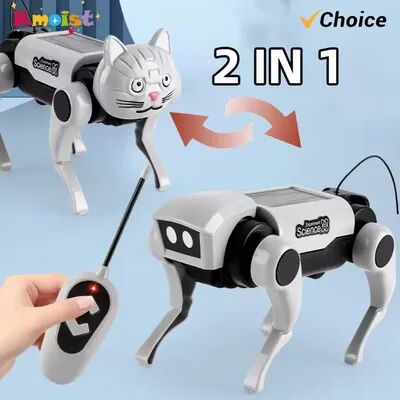
On Spot Shop Interactive RC Robot Dog, Remote Control Electric Toy With DIY Assembly, Fun STEM Learning Gift For Boys & Children Interactive RC Robot Dog, Remote Control Electric Toy With DIY Assembly, Fun STEM Learning Gift For Boys & ChildrenSpark your childs imagination with this RC Robot Children's Remote Control Mechanical Dog Toy! Designed for handson fun and learning, this DIY assembling model combines play with STEM science teaching principles, making it an ideal electric set toy...23,97 $*Shipping: 0,00 $Secure redirect to the provider
-
Multicon Wholesale Hub Educational Learning Toys For Kids Fun, Interactive Learning Play For Toddlers Educational Learning Toys For Kids Fun, Interactive Learning Play For ToddlersSpark your child's curiosity and enhance their learning journey with these educational learning toys designed for toddlers ages 27. Carefully crafted to promote cognitive and motor skills, this interactive toy set offers a variety of activities that...59,97 $*Shipping: 0,00 $Secure redirect to the provider
-
Perfect Picks Market Montessori Reusable Learning Cards Set For Kids Early Education Writing Practice Game Montessori Reusable Learning Cards Set For Kids Early Education Writing Practice GameTurn everyday learning into a fun, handson experience with these Montessori toys designed to spark curiosity and creativity. This engaging set of reusable cards helps young children build essential skills through play, making it perfect for early...39,97 $*Shipping: 0,00 $Secure redirect to the provider

-
What are monohydric alcohols?
Monohydric alcohols are organic compounds that contain a single hydroxyl (-OH) group attached to a carbon atom. They are also known as primary alcohols. Monohydric alcohols can be found in various natural sources such as fruits, vegetables, and grains, and are also commonly used in the production of alcoholic beverages, solvents, and as fuel additives. Examples of monohydric alcohols include methanol, ethanol, and propanol. **
-
Are all alcohols lipophilic?
Yes, all alcohols are lipophilic, meaning they are attracted to and soluble in lipids or fats. This is because alcohols have a hydrophobic (water-repelling) portion, which allows them to interact with and dissolve in non-polar substances like lipids. This property makes alcohols useful in a variety of applications, including as solvents in the pharmaceutical and cosmetic industries. **
-
What are alcohols in chemistry?
Alcohols are a class of organic compounds that contain a hydroxyl (-OH) functional group, which is a combination of a hydrogen atom and an oxygen atom bonded to a carbon atom. They are characterized by their ability to dissolve in water and their ability to undergo reactions such as oxidation and esterification. Alcohols can be classified as primary, secondary, or tertiary based on the number of carbon atoms bonded to the carbon atom bearing the hydroxyl group. They are commonly used as solvents, disinfectants, and in the production of various chemicals and consumer products. **
-
Which alcohols can you drink?
You can drink alcohols that are safe for human consumption, such as beer, wine, and spirits. It's important to drink responsibly and in moderation, and to be aware of your own tolerance and any potential health risks. It's also important to be of legal drinking age in your country or region. Always consult with a healthcare professional if you have any concerns about alcohol consumption. **

'It's about alcohols in chemistry.'
Alcohols are a class of organic compounds that contain a hydroxyl group (-OH) bonded to a carbon atom. They are commonly used as solvents, disinfectants, and in the production of various chemicals. Alcohols can be classified as primary, secondary, or tertiary based on the number of carbon atoms bonded to the carbon atom bearing the hydroxyl group. They also undergo various chemical reactions, such as oxidation to form aldehydes or ketones, and esterification to form esters. **
Why are primary and secondary alcohols not as reactive as tertiary alcohols in SN1 reactions?
Primary and secondary alcohols are not as reactive as tertiary alcohols in SN1 reactions because the rate-determining step in SN1 reactions involves the formation of a carbocation intermediate. Tertiary alcohols form more stable carbocation intermediates due to the presence of more alkyl groups, which stabilize the positive charge through hyperconjugation and inductive effects. In contrast, primary and secondary alcohols form less stable carbocation intermediates, making the reaction less favorable. As a result, tertiary alcohols undergo SN1 reactions more readily than primary and secondary alcohols. **
Top-Angebote
Products related to Alcohols:
-
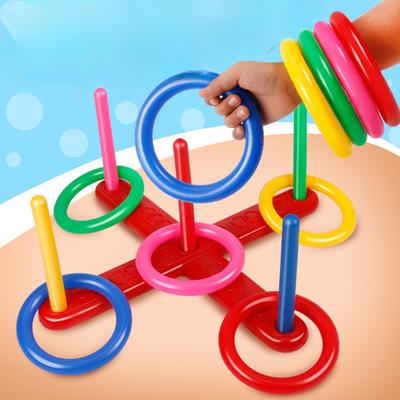
Top Demand Picks Interactive Ring Toss Game, Fun Stacking Ring Games For Early Education, Indoor Outdoor Sports And Fitness Toys For All Interactive Ring Toss Game, Fun Stacking Ring Games For Early Education, Indoor Outdoor Sports And Fitness Toys For AlUnleash hours of active fun and developmental play with our Interactive Ring Throwing Game! This isn't just a toy; it's a gateway to laughter, healthy competition, and skillbuilding for the entire family. Perfect for sports and fitness enthusiasts,...21,97 $*Shipping: 0,00 $Secure redirect to the provider
-
Youfap Market Pinball Battle Table Toys, Children Board Games, Soccer Marble Shoot Game, Family Fun Interactive Social Toy Pinball Battle Table Toys, Children Board Games, Soccer Marble Shoot Game, Family Fun Interactive Social ToyEngage in Interactive Family Fun with the Children Pinball Machine This children pinball machine provides hours of interactive fun, combining the thrill of board games with the excitement of pinball battle. Designed for kids and families alike, it...64,97 $*Shipping: 0,00 $Secure redirect to the provider
-
Smart Shopping Spot Educational Dart Board For Children Fun Indoor Sports Game, Montessori Inspired Learning Activity rabbitIntroduce your child to a world of fun and education with this Educational Dart Board designed for children. Perfect for nurturing fine motor skills and handeye coordination, this indoor sports game doubles as both a playful dartboard and a...29,97 $*Shipping: 0,00 $Secure redirect to the provider
-
On Spot Shop Interactive RC Robot Dog, Remote Control Electric Toy With DIY Assembly, Fun STEM Learning Gift For Boys & Children Interactive RC Robot Dog, Remote Control Electric Toy With DIY Assembly, Fun STEM Learning Gift For Boys & ChildrenSpark your childs imagination with this RC Robot Children's Remote Control Mechanical Dog Toy! Designed for handson fun and learning, this DIY assembling model combines play with STEM science teaching principles, making it an ideal electric set toy...23,97 $*Shipping: 0,00 $Secure redirect to the provider
-
What are alcohols?
Alcohols are a class of organic compounds that contain a hydroxyl group (-OH) attached to a carbon atom. They are characterized by their ability to dissolve in water and their distinct smell and taste. Alcohols can be classified based on the number of carbon atoms bonded to the carbon atom with the hydroxyl group, such as methanol, ethanol, and isopropanol. They are commonly used as solvents, disinfectants, and in alcoholic beverages. **
-
Are polyhydric alcohols the same as, for example, secondary alcohols?
No, polyhydric alcohols and secondary alcohols are not the same. Polyhydric alcohols are alcohols that contain more than one hydroxyl (-OH) group in their structure, such as glycerol or ethylene glycol. Secondary alcohols, on the other hand, are a specific type of alcohol where the carbon atom bearing the hydroxyl group is bonded to two other carbon atoms. Examples of secondary alcohols include isopropanol and 2-butanol. Therefore, while polyhydric alcohols refer to the presence of multiple hydroxyl groups, secondary alcohols refer to the specific structure of the carbon atom bonded to the hydroxyl group. **
-
What are monohydric alcohols?
Monohydric alcohols are organic compounds that contain a single hydroxyl (-OH) group attached to a carbon atom. They are also known as primary alcohols. Monohydric alcohols can be found in various natural sources such as fruits, vegetables, and grains, and are also commonly used in the production of alcoholic beverages, solvents, and as fuel additives. Examples of monohydric alcohols include methanol, ethanol, and propanol. **
-
Are all alcohols lipophilic?
Yes, all alcohols are lipophilic, meaning they are attracted to and soluble in lipids or fats. This is because alcohols have a hydrophobic (water-repelling) portion, which allows them to interact with and dissolve in non-polar substances like lipids. This property makes alcohols useful in a variety of applications, including as solvents in the pharmaceutical and cosmetic industries. **
Similar search terms for Alcohols
-
Multicon Wholesale Hub Educational Learning Toys For Kids Fun, Interactive Learning Play For Toddlers Educational Learning Toys For Kids Fun, Interactive Learning Play For ToddlersSpark your child's curiosity and enhance their learning journey with these educational learning toys designed for toddlers ages 27. Carefully crafted to promote cognitive and motor skills, this interactive toy set offers a variety of activities that...59,97 $*Shipping: 0,00 $Secure redirect to the provider
-
Perfect Picks Market Montessori Reusable Learning Cards Set For Kids Early Education Writing Practice Game Montessori Reusable Learning Cards Set For Kids Early Education Writing Practice GameTurn everyday learning into a fun, handson experience with these Montessori toys designed to spark curiosity and creativity. This engaging set of reusable cards helps young children build essential skills through play, making it perfect for early...39,97 $*Shipping: 0,00 $Secure redirect to the provider
-
The Cart Load NEW Educational Learning Toys For Kids, Toddlers, Interactive Learning Pad, Best Early Learning Tool For Children NEW Educational Learning Toys For Kids, Toddlers, Interactive Learning Pad, Best Early Learning Tool For ChildrenStimulate Learning Through Synergy with the NEW Educational Learning Toys for Kid Give your child a head start in their learning journey with the NEW Educational Learning Toys for Kids, designed to captivate and engage toddlers aged 2 to 7. This...39,97 $*Shipping: 0,00 $Secure redirect to the provider
-
Woodpecker Books ltd My First Phonic Sounds 12 Books Collection Box Set with Fun Activities – Level 1 Early Learning & Phonics Reading Collection for KidsMy First Phonic Sounds 12 Books Collection Box Set with Included Fun Activities:Titles In This Set:A Hat for Sam the BatPaddy Panda Paints a PlumRicky Raccoon Runs a RaceIggy Iguana and The FigsNibby’s New NestCora Duck is StuckSandy Skunk’s Smelly SocksMeg and Ben Get WetDaisy Donkey Dances AwayTimmy Tiger Tastes a TomatoHans Hippo Builds a HouseA Mango for Mojo Meerkat.14,99 £*Shipping: 2,99 £Secure redirect to the provider
-
What are alcohols in chemistry?
Alcohols are a class of organic compounds that contain a hydroxyl (-OH) functional group, which is a combination of a hydrogen atom and an oxygen atom bonded to a carbon atom. They are characterized by their ability to dissolve in water and their ability to undergo reactions such as oxidation and esterification. Alcohols can be classified as primary, secondary, or tertiary based on the number of carbon atoms bonded to the carbon atom bearing the hydroxyl group. They are commonly used as solvents, disinfectants, and in the production of various chemicals and consumer products. **
-
Which alcohols can you drink?
You can drink alcohols that are safe for human consumption, such as beer, wine, and spirits. It's important to drink responsibly and in moderation, and to be aware of your own tolerance and any potential health risks. It's also important to be of legal drinking age in your country or region. Always consult with a healthcare professional if you have any concerns about alcohol consumption. **
-
'It's about alcohols in chemistry.'
Alcohols are a class of organic compounds that contain a hydroxyl group (-OH) bonded to a carbon atom. They are commonly used as solvents, disinfectants, and in the production of various chemicals. Alcohols can be classified as primary, secondary, or tertiary based on the number of carbon atoms bonded to the carbon atom bearing the hydroxyl group. They also undergo various chemical reactions, such as oxidation to form aldehydes or ketones, and esterification to form esters. **
-
Why are primary and secondary alcohols not as reactive as tertiary alcohols in SN1 reactions?
Primary and secondary alcohols are not as reactive as tertiary alcohols in SN1 reactions because the rate-determining step in SN1 reactions involves the formation of a carbocation intermediate. Tertiary alcohols form more stable carbocation intermediates due to the presence of more alkyl groups, which stabilize the positive charge through hyperconjugation and inductive effects. In contrast, primary and secondary alcohols form less stable carbocation intermediates, making the reaction less favorable. As a result, tertiary alcohols undergo SN1 reactions more readily than primary and secondary alcohols. **
* All prices are inclusive of VAT and, if applicable, plus shipping costs. The offer information is based on the details provided by the respective shop and is updated through automated processes. Real-time updates do not occur, so deviations can occur in individual cases. ** Note: Parts of this content were created by AI.