Buy kidzworldespanol.com ?
We are moving the project
kidzworldespanol.com .
Are you interested in purchasing the domain
kidzworldespanol.com ?
domain@kv-gmbh.de · 0541-91531010
Buy kidzworldespanol.com ?
What is an associative inhibition?
Associative inhibition is a psychological phenomenon where the learning of a new association between two stimuli is hindered by the presence of a previously learned association. This occurs when the two stimuli are presented together, but the individual has learned to associate one of the stimuli with a different response. As a result, the individual struggles to form a new association between the two stimuli. Associative inhibition is a form of interference that can impact the learning and memory processes. **
What is an associative anaphora?
An associative anaphora is a linguistic phenomenon where a word or phrase in a sentence refers back to a previously mentioned concept or idea, rather than a specific noun or pronoun. This type of anaphora creates a connection between different parts of a text by linking related concepts together. Associative anaphora is often used to maintain coherence and cohesion in a discourse, helping to guide the reader or listener through the flow of information. **


Similar search terms for Associative
Top-Angebote
Products related to Associative:
-
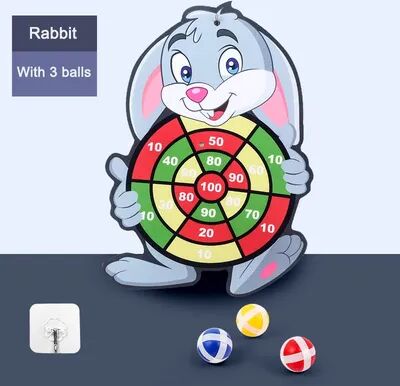
Smart Shopping Spot Educational Dart Board For Children Fun Indoor Sports Game, Montessori Inspired Learning Activity rabbitIntroduce your child to a world of fun and education with this Educational Dart Board designed for children. Perfect for nurturing fine motor skills and handeye coordination, this indoor sports game doubles as both a playful dartboard and a...29,97 $*Shipping: 0,00 $Secure redirect to the provider
-
On Spot Shop Interactive RC Robot Dog, Remote Control Electric Toy With DIY Assembly, Fun STEM Learning Gift For Boys & Children Interactive RC Robot Dog, Remote Control Electric Toy With DIY Assembly, Fun STEM Learning Gift For Boys & ChildrenSpark your childs imagination with this RC Robot Children's Remote Control Mechanical Dog Toy! Designed for handson fun and learning, this DIY assembling model combines play with STEM science teaching principles, making it an ideal electric set toy...23,97 $*Shipping: 0,00 $Secure redirect to the provider
-
Multicon Wholesale Hub Educational Learning Toys For Kids Fun, Interactive Learning Play For Toddlers Educational Learning Toys For Kids Fun, Interactive Learning Play For ToddlersSpark your child's curiosity and enhance their learning journey with these educational learning toys designed for toddlers ages 27. Carefully crafted to promote cognitive and motor skills, this interactive toy set offers a variety of activities that...59,97 $*Shipping: 0,00 $Secure redirect to the provider
-
The Cart Load NEW Educational Learning Toys For Kids, Toddlers, Interactive Learning Pad, Best Early Learning Tool For Children NEW Educational Learning Toys For Kids, Toddlers, Interactive Learning Pad, Best Early Learning Tool For ChildrenStimulate Learning Through Synergy with the NEW Educational Learning Toys for Kid Give your child a head start in their learning journey with the NEW Educational Learning Toys for Kids, designed to captivate and engage toddlers aged 2 to 7. This...39,97 $*Shipping: 0,00 $Secure redirect to the provider



-
What is the associative property used for?
The associative property is used to change the grouping of numbers in an operation without changing the result. This property is commonly used in addition and multiplication, where the order of the numbers being added or multiplied can be rearranged without affecting the final outcome. The associative property helps simplify calculations and allows for easier mental math computations. **
-
What is the associative law for 4 elements?
The associative law for 4 elements states that for any elements a, b, c, and d, the order in which we group them in a binary operation does not affect the result. In other words, (a * b) * (c * d) = a * (b * c) * d = a * b * c * d. This property holds true for any operation that is associative, such as addition or multiplication. **
-
How do I recognize associative series and climax?
Associative series is recognized by a series of words, phrases, or clauses that are similar in structure and length, creating a sense of rhythm and repetition. This repetition helps to emphasize the ideas being presented. On the other hand, climax is recognized by a series of words, phrases, or clauses that are arranged in order of increasing importance or intensity, building up to a powerful conclusion. Both techniques can be identified by paying attention to the pattern and progression of the words and phrases used in a sentence or passage. **
-
What is the purpose of the associative property?
The purpose of the associative property is to show that the grouping of numbers in an operation does not affect the outcome. In other words, it demonstrates that the order in which numbers are grouped when adding or multiplying does not change the result. This property is helpful in simplifying calculations and allows for more efficient problem-solving by rearranging the numbers in a way that is easier to work with. **


What does the associative law state for matrices?
The associative law for matrices states that when multiplying three matrices together, the order in which the matrices are multiplied does not affect the final result. In other words, for matrices A, B, and C, (A*B)*C = A*(B*C). This property allows us to group matrices in different ways when performing matrix multiplication without changing the outcome. **
How do you derive the non-associative multiplication?
Non-associative multiplication is derived by defining a binary operation that combines two elements of a set to produce a third element. This operation does not follow the associative property, meaning that the order of operations matters. Non-associative multiplication can be defined by specifying the result of multiplying any two elements in the set. This can be represented using a multiplication table or by explicitly stating the result of each pair of elements. The non-associative multiplication operation can then be used to perform calculations within the set, taking into account the specific rules for combining elements. **
Top-Angebote
Products related to Associative:
-
Top Demand Picks Interactive Ring Toss Game, Fun Stacking Ring Games For Early Education, Indoor Outdoor Sports And Fitness Toys For All Interactive Ring Toss Game, Fun Stacking Ring Games For Early Education, Indoor Outdoor Sports And Fitness Toys For AlUnleash hours of active fun and developmental play with our Interactive Ring Throwing Game! This isn't just a toy; it's a gateway to laughter, healthy competition, and skillbuilding for the entire family. Perfect for sports and fitness enthusiasts,...21,97 $*Shipping: 0,00 $Secure redirect to the provider
-
Youfap Market Pinball Battle Table Toys, Children Board Games, Soccer Marble Shoot Game, Family Fun Interactive Social Toy Pinball Battle Table Toys, Children Board Games, Soccer Marble Shoot Game, Family Fun Interactive Social ToyEngage in Interactive Family Fun with the Children Pinball Machine This children pinball machine provides hours of interactive fun, combining the thrill of board games with the excitement of pinball battle. Designed for kids and families alike, it...64,97 $*Shipping: 0,00 $Secure redirect to the provider
-
Smart Shopping Spot Educational Dart Board For Children Fun Indoor Sports Game, Montessori Inspired Learning Activity rabbitIntroduce your child to a world of fun and education with this Educational Dart Board designed for children. Perfect for nurturing fine motor skills and handeye coordination, this indoor sports game doubles as both a playful dartboard and a...29,97 $*Shipping: 0,00 $Secure redirect to the provider
-
On Spot Shop Interactive RC Robot Dog, Remote Control Electric Toy With DIY Assembly, Fun STEM Learning Gift For Boys & Children Interactive RC Robot Dog, Remote Control Electric Toy With DIY Assembly, Fun STEM Learning Gift For Boys & ChildrenSpark your childs imagination with this RC Robot Children's Remote Control Mechanical Dog Toy! Designed for handson fun and learning, this DIY assembling model combines play with STEM science teaching principles, making it an ideal electric set toy...23,97 $*Shipping: 0,00 $Secure redirect to the provider
-
What is an associative inhibition?
Associative inhibition is a psychological phenomenon where the learning of a new association between two stimuli is hindered by the presence of a previously learned association. This occurs when the two stimuli are presented together, but the individual has learned to associate one of the stimuli with a different response. As a result, the individual struggles to form a new association between the two stimuli. Associative inhibition is a form of interference that can impact the learning and memory processes. **
-
What is an associative anaphora?
An associative anaphora is a linguistic phenomenon where a word or phrase in a sentence refers back to a previously mentioned concept or idea, rather than a specific noun or pronoun. This type of anaphora creates a connection between different parts of a text by linking related concepts together. Associative anaphora is often used to maintain coherence and cohesion in a discourse, helping to guide the reader or listener through the flow of information. **
-
What is the associative property used for?
The associative property is used to change the grouping of numbers in an operation without changing the result. This property is commonly used in addition and multiplication, where the order of the numbers being added or multiplied can be rearranged without affecting the final outcome. The associative property helps simplify calculations and allows for easier mental math computations. **
-
What is the associative law for 4 elements?
The associative law for 4 elements states that for any elements a, b, c, and d, the order in which we group them in a binary operation does not affect the result. In other words, (a * b) * (c * d) = a * (b * c) * d = a * b * c * d. This property holds true for any operation that is associative, such as addition or multiplication. **
Similar search terms for Associative
-
Multicon Wholesale Hub Educational Learning Toys For Kids Fun, Interactive Learning Play For Toddlers Educational Learning Toys For Kids Fun, Interactive Learning Play For ToddlersSpark your child's curiosity and enhance their learning journey with these educational learning toys designed for toddlers ages 27. Carefully crafted to promote cognitive and motor skills, this interactive toy set offers a variety of activities that...59,97 $*Shipping: 0,00 $Secure redirect to the provider
-
The Cart Load NEW Educational Learning Toys For Kids, Toddlers, Interactive Learning Pad, Best Early Learning Tool For Children NEW Educational Learning Toys For Kids, Toddlers, Interactive Learning Pad, Best Early Learning Tool For ChildrenStimulate Learning Through Synergy with the NEW Educational Learning Toys for Kid Give your child a head start in their learning journey with the NEW Educational Learning Toys for Kids, designed to captivate and engage toddlers aged 2 to 7. This...39,97 $*Shipping: 0,00 $Secure redirect to the provider
-
Perfect Picks Market Montessori Reusable Learning Cards Set For Kids Early Education Writing Practice Game Montessori Reusable Learning Cards Set For Kids Early Education Writing Practice GameTurn everyday learning into a fun, handson experience with these Montessori toys designed to spark curiosity and creativity. This engaging set of reusable cards helps young children build essential skills through play, making it perfect for early...39,97 $*Shipping: 0,00 $Secure redirect to the provider
-
Tiny Tots Teens Trends Drawer Game Early Education Montessori Wooden Pitch Ball Box Preschool Learning Training Toy Drawer Game Early Education Montessori Wooden Pitch Ball Box Preschool Learning Training ToyThis Montessori Wooden Pitch Ball Box Drawer Game is a thoughtfully designed earlyeducation toy that transforms playtime into purposeful learning. Crafted for toddlers and preschoolers, it offers a handson, engaging way to support key developmental...39,97 $*Shipping: 0,00 $Secure redirect to the provider
-
How do I recognize associative series and climax?
Associative series is recognized by a series of words, phrases, or clauses that are similar in structure and length, creating a sense of rhythm and repetition. This repetition helps to emphasize the ideas being presented. On the other hand, climax is recognized by a series of words, phrases, or clauses that are arranged in order of increasing importance or intensity, building up to a powerful conclusion. Both techniques can be identified by paying attention to the pattern and progression of the words and phrases used in a sentence or passage. **
-
What is the purpose of the associative property?
The purpose of the associative property is to show that the grouping of numbers in an operation does not affect the outcome. In other words, it demonstrates that the order in which numbers are grouped when adding or multiplying does not change the result. This property is helpful in simplifying calculations and allows for more efficient problem-solving by rearranging the numbers in a way that is easier to work with. **
-
What does the associative law state for matrices?
The associative law for matrices states that when multiplying three matrices together, the order in which the matrices are multiplied does not affect the final result. In other words, for matrices A, B, and C, (A*B)*C = A*(B*C). This property allows us to group matrices in different ways when performing matrix multiplication without changing the outcome. **
-
How do you derive the non-associative multiplication?
Non-associative multiplication is derived by defining a binary operation that combines two elements of a set to produce a third element. This operation does not follow the associative property, meaning that the order of operations matters. Non-associative multiplication can be defined by specifying the result of multiplying any two elements in the set. This can be represented using a multiplication table or by explicitly stating the result of each pair of elements. The non-associative multiplication operation can then be used to perform calculations within the set, taking into account the specific rules for combining elements. **
* All prices are inclusive of VAT and, if applicable, plus shipping costs. The offer information is based on the details provided by the respective shop and is updated through automated processes. Real-time updates do not occur, so deviations can occur in individual cases. ** Note: Parts of this content were created by AI.