Buy kidzworldespanol.com ?
We are moving the project
kidzworldespanol.com .
Are you interested in purchasing the domain
kidzworldespanol.com ?
domain@kv-gmbh.de · 0541-91531010
Buy kidzworldespanol.com ?
What is work explained for children?
Work for children can be explained as tasks or activities that adults do to earn money or contribute to society. It can include jobs like teaching, cooking, cleaning, or helping others. Work is important because it allows people to provide for themselves and their families, as well as to make a positive impact on the world around them. Children may also have their own responsibilities and chores at home, which can be considered their way of contributing and learning the value of work. **
What is a constitution explained for children?
A constitution is like a rulebook for a country. It explains how the government works, what rights people have, and what laws everyone must follow. It is a set of rules that helps keep things fair and organized in a country. Just like how we follow rules at home or in school, a constitution helps make sure everyone is treated fairly and has a say in how things are run. **

Similar search terms for Explained
Top-Angebote
Products related to Explained:
-
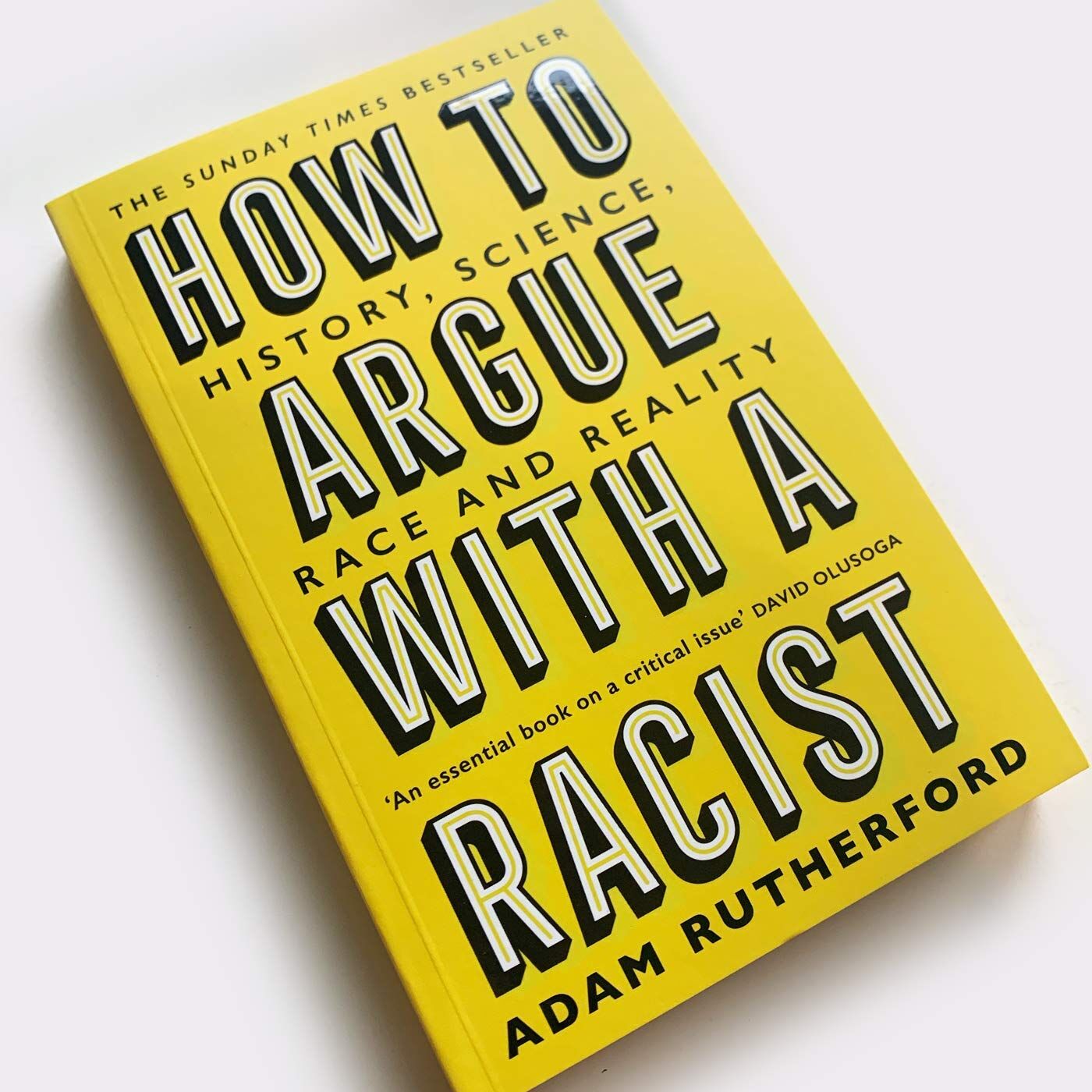
Orion How to Argue With a Racist by Adam Rutherford – Science, Race & Truth ExplainedRacist pseudoscience may be on the rise, but science is no ally to racists. Instead science and history can be powerful allies against bigotry, granting us the clearest view of how people actually are, rather than how we judge them to be. HOW TO ARGUE WITH A RACIST dismantles outdated notions of race by illuminating what modern genetics can and can't tell us about human difference. It is a vital manifesto for a twenty-first century understanding of human evolution and variation, and a timely weapon against the misuse of science to justify racism.3,99 £*Shipping: 1,99 £Secure redirect to the provider
-
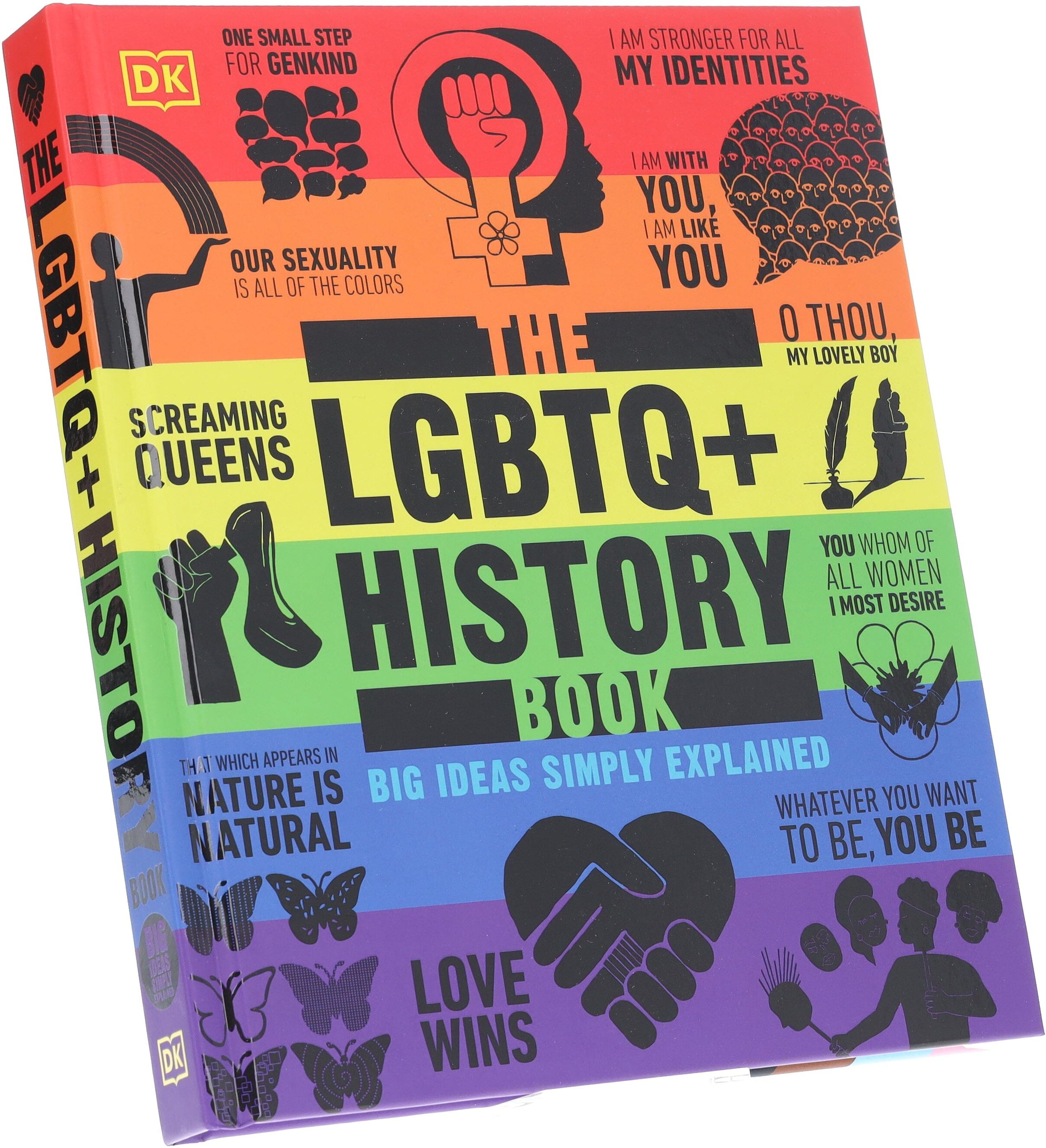
The LGBTQ + History Book: Big Ideas Simply Explained by DK - Ages 14+ - Hardback DKDiscover the rich and complex history of LGBTQ+ people around the world - their struggles, triumphs, and cultural contributions. Exploring and explaining the most important ideas and events in LGBTQ+ history and culture, this book showcases the breadth of the LGBTQ+ experience. This diverse, global account explores the most important moments, movements, and phenomena, from the first known lesbian love poetry of Sappho to Kinsey's modern sexuality studies, and features biographies of key figures from Anne Lister to Audre Lorde. The LGBTQ+ History Book celebrates the victories and untold triumphs of LGBTQ+ people throughout history, such as the Stonewall Riots and first gender affirmation surgeries, as well as commemorating moments of tragedy and persecution, from the Renaissance Italian "Night Police" to the 20th century "Don't Ask Don't Tell" policy. The book also includes major cultural cornerstones - the secret language of polari, Black and Latine ballroom culture, and the many flags of the community - and the history of LGBTQ+ spaces, from 18th-century "molly houses" to modern "gaybourhoods". Using the "Big Ideas" series' trademark combination of authoritative, accessible text and bold graphics, The LGBTQ+ History Book celebrates the long, proud - and often hidden - history of LGBTQ+ people, cultures, and places from around the world.15,99 £*Shipping: 2,99 £Secure redirect to the provider
-
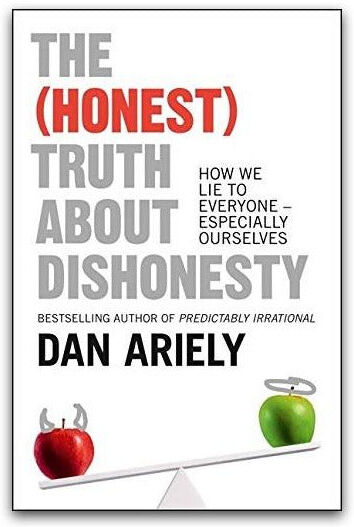
HARPERCOLLINS The Honest Truth About Dishonesty by Dan Ariely – Why We Lie & Human Behavior ExplainedFascinating and provocative, Ariely's The Truth About Dishonesty is an insightful and brilliantly researched take on cheating, deception and willpower. Internationally bestselling author Ariely pulls no punches when it comes to home truths. Previous titles Predictably Irrational and The Upside Of Irrationality have becomes classics in their field, revealing unexpected and astonishing traits that run through modern humankind. Now acclaimed behavioural economist Dan Ariely delves deeper into the dark and murky recesses of contemporary psychology, daring to ask the big questions: What makes us cheat? How and why do we rationalise deception of ourselves and other people, and make ourselves 'wishfully blind' to the blindingly obvious? What affects our infuriatingly intangible willpower and how can we 'catch' the cheating bug from other bad apples? If you've ever wondered how a whole company can turn a blind eye to evident misdemeanours within their ranks, whether people are born dishonest and whether you can really be successful by being totally, brutally honest, then Dan has the answers, and many more.5,45 £*Shipping: 2,99 £Secure redirect to the provider
-
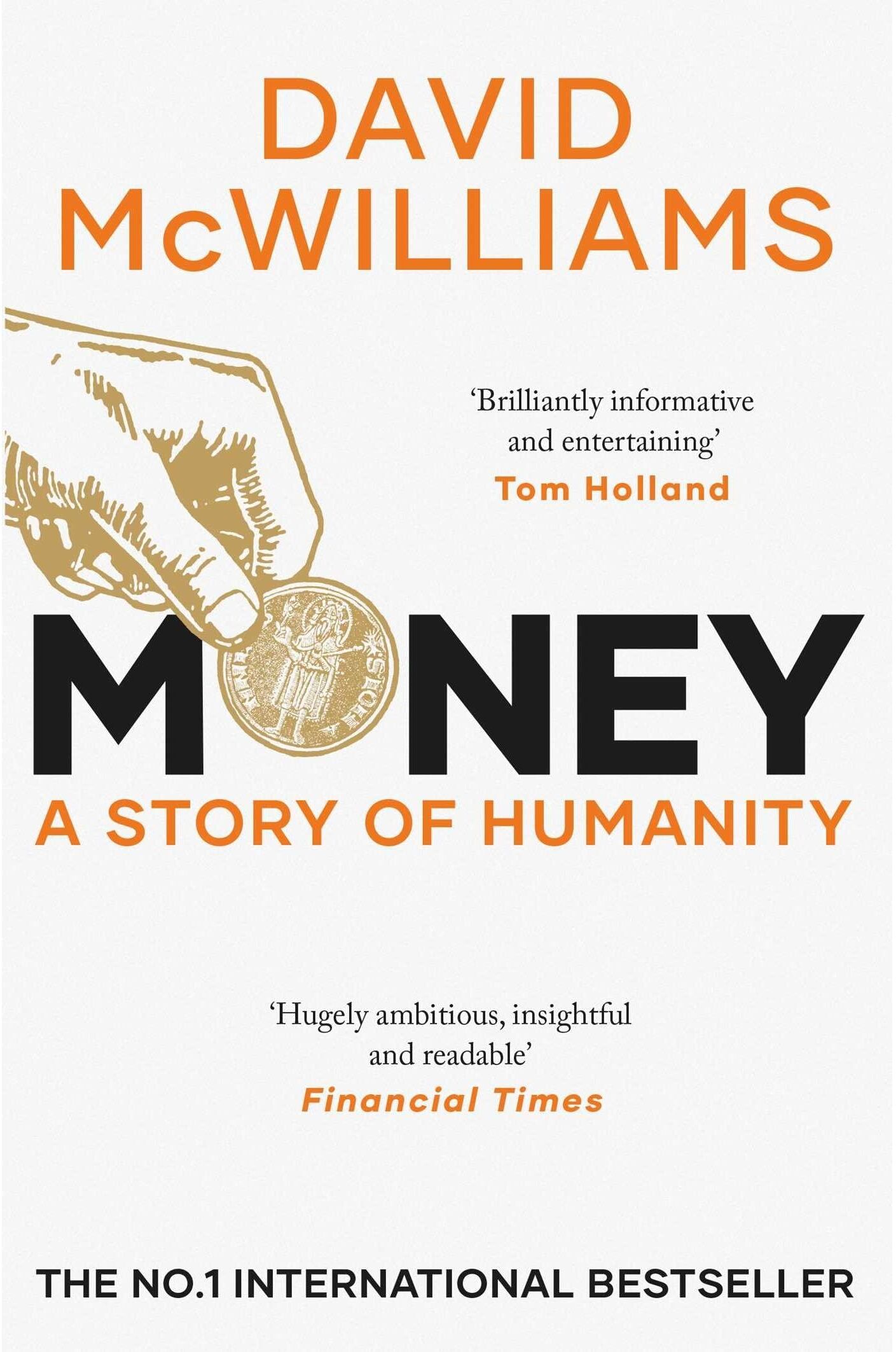
Simon & Schuster Money: A Story of Humanity by David McWilliams Economic History & Global Finance ExplainedIn Money: A Story of Humanity, renowned economist David McWilliams explores the fascinating history of money — not just as currency, but as a powerful force that has shaped human civilisation, relationships, technology, and global society. From ancient barter systems to cryptocurrency revolutions, McWilliams reveals how money reflects our values, ambitions, fears, politics, and culture.Rich with storytelling, sharp insights, and humour, this book makes complex economic ideas accessible, engaging, and deeply human. Perfect for readers who enjoy exploring how history, psychology, markets, and power intersect, Money: A Story of Humanity provides a fresh, eye-opening look at how money drives — and is driven by — human behaviour. Ideal for fans of Yuval Noah Harari, Tim Harford, Niall Ferguson, and Mary Beard.7,99 £*Shipping: 2,99 £Secure redirect to the provider
-
What is a guild explained for children?
A guild is like a club or group where people who have the same interests or skills come together to help each other and work on projects. It's a bit like a team where everyone has a special role to play. Guilds can be for things like crafting, gaming, or even learning new things. Members of a guild often share tips, ideas, and support each other to improve their skills and have fun together. **
-
What is a poem explained for children?
A poem explained for children is a piece of writing that uses words, rhythm, and sometimes rhyme to express feelings, thoughts, or ideas in a creative and imaginative way. It often uses vivid language and descriptive imagery to paint a picture in the reader's mind. Poems for children are usually shorter in length and may include playful language, humor, or simple themes that are easy for young readers to understand and enjoy. **
-
What is a recession explained for children?
A recession is like a time when the economy gets sick. Just like when you get sick and have less money to buy toys or go out to eat, during a recession, people have less money to spend on things they want. This can make it harder for businesses to sell their products and for people to find jobs. It's important for grown-ups to work together to help the economy get better during a recession. **
-
Why is water explained as blue for children?
Water is often explained as blue for children because when they look at a large body of water, such as the ocean or a lake, it can appear blue due to the way light is absorbed and scattered by the water molecules. This simple explanation helps children understand and visualize the concept of water being blue, even though water itself is actually colorless. **


How can tipping points be easily explained to children?
Tipping points can be easily explained to children by using simple examples from everyday life. For example, you can explain that a tipping point is like adding small drops of water to a cup until it eventually overflows. You can also use examples from nature, such as explaining how a small change in temperature can cause a snowball to start rolling down a hill, getting bigger and faster as it goes. By using relatable examples, children can understand that tipping points are moments when small changes can lead to big effects. **
How can the concept of equality be explained to children?
The concept of equality can be explained to children by emphasizing that everyone should be treated fairly and with respect, regardless of their differences. Children can be taught that equality means giving everyone the same opportunities and rights, and that no one should be discriminated against because of their race, gender, abilities, or background. Using simple examples and stories, children can learn about the importance of inclusivity and empathy towards others, and how they can contribute to creating a more equal and just society. **
Top-Angebote
Products related to Explained:
-
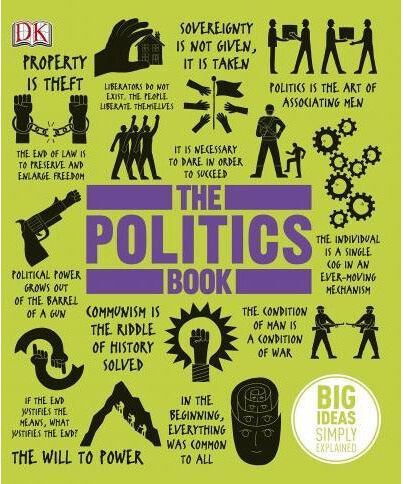
DK The Politics Book - Big Ideas Simply ExplainedThis invaluable; easy-to-understand guide to world politics and government offers an accessible introduction to more than 80 of the most important theories and big ideas of leaders and politicians throughout history. The Politics Book makes government and politics easy to understand by explaining the big ideas simply; using clear language supported by eye-catching graphics. The key events in political history are outlined from the origins of political thinking by Confucius and Aristotle to modern-day activists such as Martin Luther King and Nelson Mandela. Helpful mind maps break down their important concepts into bitesize chunks to make the subject accessible to students of politics and anyone with an interest in how government works. A handy reference section also provides a glossary of key terms and a directory of significant political figures. Filled with thought-provoking quotes from great political thinkers such as Nietzsche; Malcolm X; Karl Marx; and Mao Zedong; The Politics Book gives context to the world of government and power.12,99 £*Shipping: 2,99 £Secure redirect to the provider
-
The Poetry Book: Big Ideas Simply Explained (DK Big Ideas)The perfect introduction to poetry, The Poetry Book offers a fascinating exploration of more than 90 of the world's greatest poetic works. Discover poems in all their many guises, from the epics of the ancient world through Renaissance sonnets to modernist masterpieces such as The Waste Land, and the key works of the last 50 years, including And Still I Rise by Maya Angelou and Derek Walcott's Omeros. Using the Big Ideas series' trademark combination of clear explanation, witty infographics, and inspirational quotes, The Poetry Book unlocks the key ideas, themes, imagery, and structural techniques behind even the most complex of poems, in clear and simple terms, setting each work in its historical, social, cultural, and literary context. Dive into the passionate world of poetry to discover:COMPREHENSIVE: Brings together a curated selection of the most celebrated and important poems ever written, majoring on English-language poetryANALYTICAL: Provides critical analysis of form, structure, and style, exploring the trademark themes and subjects of the poets who wrote them, and using each poem as a route into wider literary trends, poetic movements and schools, and related poetsGRAPHIC APPROACH: Combines creative typography, graphics, and clear text to explore the world's most famous and important poems, and the people behind them, in a unique wayEYE-CATCHING: Thought-provoking graphics and flow-charts explore form and structure, and the central concepts behind each work QUOTATIONS: Features insightful and inspiring quotes from the featured poems, the poets behind them, and leading writers and criticsREFERENCE: Features a glossary section of poetic termsDelve into the works of Dante, Baudelaire, Rumi, Dickinson, Eliot, and Li Bai with in-depth literary analysis and fascinating biographies. Find out what odes, ballads, and allegories are. Trace recurring motifs, explore imagery, and discover how rhyme and rhythm work. From Homer's Odyssey to Seamus Heaney's Casualty, The Poetry Book is essential reading for lovers of poetry and aspiring poets alike.11,99 £*Shipping: 2,99 £Secure redirect to the provider
-
Orion How to Argue With a Racist by Adam Rutherford – Science, Race & Truth ExplainedRacist pseudoscience may be on the rise, but science is no ally to racists. Instead science and history can be powerful allies against bigotry, granting us the clearest view of how people actually are, rather than how we judge them to be. HOW TO ARGUE WITH A RACIST dismantles outdated notions of race by illuminating what modern genetics can and can't tell us about human difference. It is a vital manifesto for a twenty-first century understanding of human evolution and variation, and a timely weapon against the misuse of science to justify racism.3,99 £*Shipping: 1,99 £Secure redirect to the provider
-
The LGBTQ + History Book: Big Ideas Simply Explained by DK - Ages 14+ - Hardback DKDiscover the rich and complex history of LGBTQ+ people around the world - their struggles, triumphs, and cultural contributions. Exploring and explaining the most important ideas and events in LGBTQ+ history and culture, this book showcases the breadth of the LGBTQ+ experience. This diverse, global account explores the most important moments, movements, and phenomena, from the first known lesbian love poetry of Sappho to Kinsey's modern sexuality studies, and features biographies of key figures from Anne Lister to Audre Lorde. The LGBTQ+ History Book celebrates the victories and untold triumphs of LGBTQ+ people throughout history, such as the Stonewall Riots and first gender affirmation surgeries, as well as commemorating moments of tragedy and persecution, from the Renaissance Italian "Night Police" to the 20th century "Don't Ask Don't Tell" policy. The book also includes major cultural cornerstones - the secret language of polari, Black and Latine ballroom culture, and the many flags of the community - and the history of LGBTQ+ spaces, from 18th-century "molly houses" to modern "gaybourhoods". Using the "Big Ideas" series' trademark combination of authoritative, accessible text and bold graphics, The LGBTQ+ History Book celebrates the long, proud - and often hidden - history of LGBTQ+ people, cultures, and places from around the world.15,99 £*Shipping: 2,99 £Secure redirect to the provider
-
What is work explained for children?
Work for children can be explained as tasks or activities that adults do to earn money or contribute to society. It can include jobs like teaching, cooking, cleaning, or helping others. Work is important because it allows people to provide for themselves and their families, as well as to make a positive impact on the world around them. Children may also have their own responsibilities and chores at home, which can be considered their way of contributing and learning the value of work. **
-
What is a constitution explained for children?
A constitution is like a rulebook for a country. It explains how the government works, what rights people have, and what laws everyone must follow. It is a set of rules that helps keep things fair and organized in a country. Just like how we follow rules at home or in school, a constitution helps make sure everyone is treated fairly and has a say in how things are run. **
-
What is a guild explained for children?
A guild is like a club or group where people who have the same interests or skills come together to help each other and work on projects. It's a bit like a team where everyone has a special role to play. Guilds can be for things like crafting, gaming, or even learning new things. Members of a guild often share tips, ideas, and support each other to improve their skills and have fun together. **
-
What is a poem explained for children?
A poem explained for children is a piece of writing that uses words, rhythm, and sometimes rhyme to express feelings, thoughts, or ideas in a creative and imaginative way. It often uses vivid language and descriptive imagery to paint a picture in the reader's mind. Poems for children are usually shorter in length and may include playful language, humor, or simple themes that are easy for young readers to understand and enjoy. **
Similar search terms for Explained
-
HARPERCOLLINS The Honest Truth About Dishonesty by Dan Ariely – Why We Lie & Human Behavior ExplainedFascinating and provocative, Ariely's The Truth About Dishonesty is an insightful and brilliantly researched take on cheating, deception and willpower. Internationally bestselling author Ariely pulls no punches when it comes to home truths. Previous titles Predictably Irrational and The Upside Of Irrationality have becomes classics in their field, revealing unexpected and astonishing traits that run through modern humankind. Now acclaimed behavioural economist Dan Ariely delves deeper into the dark and murky recesses of contemporary psychology, daring to ask the big questions: What makes us cheat? How and why do we rationalise deception of ourselves and other people, and make ourselves 'wishfully blind' to the blindingly obvious? What affects our infuriatingly intangible willpower and how can we 'catch' the cheating bug from other bad apples? If you've ever wondered how a whole company can turn a blind eye to evident misdemeanours within their ranks, whether people are born dishonest and whether you can really be successful by being totally, brutally honest, then Dan has the answers, and many more.5,45 £*Shipping: 2,99 £Secure redirect to the provider
-
Simon & Schuster Money: A Story of Humanity by David McWilliams Economic History & Global Finance ExplainedIn Money: A Story of Humanity, renowned economist David McWilliams explores the fascinating history of money — not just as currency, but as a powerful force that has shaped human civilisation, relationships, technology, and global society. From ancient barter systems to cryptocurrency revolutions, McWilliams reveals how money reflects our values, ambitions, fears, politics, and culture.Rich with storytelling, sharp insights, and humour, this book makes complex economic ideas accessible, engaging, and deeply human. Perfect for readers who enjoy exploring how history, psychology, markets, and power intersect, Money: A Story of Humanity provides a fresh, eye-opening look at how money drives — and is driven by — human behaviour. Ideal for fans of Yuval Noah Harari, Tim Harford, Niall Ferguson, and Mary Beard.7,99 £*Shipping: 2,99 £Secure redirect to the provider
-
Pan The Psychology of Stupidity: Explained by Some of the World's Smartest People by Jean-Francois MarmionThe Psychology of Stupidity: Explained by Some of the World's Smartest People At last, stupidity explained! And by some of the world’s smartest people, among them Daniel Kahneman, Dan Ariely, Alison Gopnik, Howard Gardner, Antonio Damasio, Aaron James and Ryan Holiday. Stupidity is all around us, from the colleagues who won’t stop hitting ‘reply all’ to the former school friends posting conspiracy theories on Facebook. But in order to battle idiocy, we must first understand it. In The Psychology of Stupidity, some of the world’s leading psychologists and thinkers – including a Nobel Prize winner – will show you . . . · Why smart people sometimes believe in utter nonsense· How our lazy brains cause us to make the wrong decisions· Why trying to debate with fools is a trap· How media manipulation and Internet overstimulation makes us dumber· Why the stupidest people don’t think they’re stupidAs long as there have been humans there has been human stupidity, but with wit and wisdom these great thinkers can help us understand this persistent human affliction.2,99 £*Shipping: 1,99 £Secure redirect to the provider
-
Top Demand Picks Interactive Ring Toss Game, Fun Stacking Ring Games For Early Education, Indoor Outdoor Sports And Fitness Toys For All Interactive Ring Toss Game, Fun Stacking Ring Games For Early Education, Indoor Outdoor Sports And Fitness Toys For AlUnleash hours of active fun and developmental play with our Interactive Ring Throwing Game! This isn't just a toy; it's a gateway to laughter, healthy competition, and skillbuilding for the entire family. Perfect for sports and fitness enthusiasts,...21,97 $*Shipping: 0,00 $Secure redirect to the provider
-
What is a recession explained for children?
A recession is like a time when the economy gets sick. Just like when you get sick and have less money to buy toys or go out to eat, during a recession, people have less money to spend on things they want. This can make it harder for businesses to sell their products and for people to find jobs. It's important for grown-ups to work together to help the economy get better during a recession. **
-
Why is water explained as blue for children?
Water is often explained as blue for children because when they look at a large body of water, such as the ocean or a lake, it can appear blue due to the way light is absorbed and scattered by the water molecules. This simple explanation helps children understand and visualize the concept of water being blue, even though water itself is actually colorless. **
-
How can tipping points be easily explained to children?
Tipping points can be easily explained to children by using simple examples from everyday life. For example, you can explain that a tipping point is like adding small drops of water to a cup until it eventually overflows. You can also use examples from nature, such as explaining how a small change in temperature can cause a snowball to start rolling down a hill, getting bigger and faster as it goes. By using relatable examples, children can understand that tipping points are moments when small changes can lead to big effects. **
-
How can the concept of equality be explained to children?
The concept of equality can be explained to children by emphasizing that everyone should be treated fairly and with respect, regardless of their differences. Children can be taught that equality means giving everyone the same opportunities and rights, and that no one should be discriminated against because of their race, gender, abilities, or background. Using simple examples and stories, children can learn about the importance of inclusivity and empathy towards others, and how they can contribute to creating a more equal and just society. **
* All prices are inclusive of VAT and, if applicable, plus shipping costs. The offer information is based on the details provided by the respective shop and is updated through automated processes. Real-time updates do not occur, so deviations can occur in individual cases. ** Note: Parts of this content were created by AI.