Buy kidzworldespanol.com ?
We are moving the project
kidzworldespanol.com .
Are you interested in purchasing the domain
kidzworldespanol.com ?
domain@kv-gmbh.de · 0541-91531010
Buy kidzworldespanol.com ?
How did monasteries originate?
Monasteries originated in the early Christian era as communities of devout individuals seeking to live a life of prayer, meditation, and service to God. The concept of monasticism was influenced by the teachings of Jesus Christ and the examples set by early Christian ascetics. Monasteries provided a structured environment for monks and nuns to dedicate themselves fully to their spiritual pursuits, away from the distractions of the secular world. Over time, monasteries evolved into centers of learning, culture, and hospitality, playing a significant role in the spread of Christianity and the preservation of knowledge. **
Can children in Europe also live in Buddhist monasteries?
Yes, children in Europe can also live in Buddhist monasteries. There are some Buddhist monasteries in Europe that welcome children and families to stay and practice Buddhism. However, it is important to research and contact the specific monastery beforehand to inquire about their policies and accommodations for children. Additionally, parents or guardians may need to accompany children during their stay in the monastery. **

Similar search terms for Monasteries
Top-Angebote
Products related to Monasteries:
-
Smart Shopping Spot Educational Dart Board For Children Fun Indoor Sports Game, Montessori Inspired Learning Activity crocodileIntroduce your child to a world of fun and education with this Educational Dart Board designed for children. Perfect for nurturing fine motor skills and handeye coordination, this indoor sports game doubles as both a playful dartboard and a...29,97 $*Shipping: 0,00 $Secure redirect to the provider
-
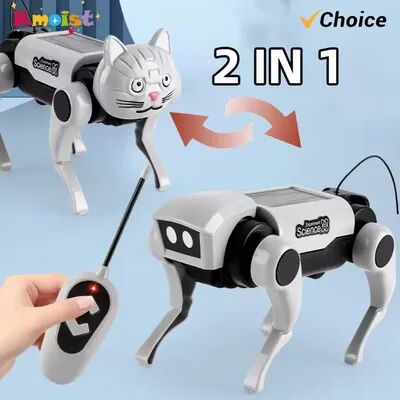
On Spot Shop Interactive RC Robot Dog, Remote Control Electric Toy With DIY Assembly, Fun STEM Learning Gift For Boys & Children Interactive RC Robot Dog, Remote Control Electric Toy With DIY Assembly, Fun STEM Learning Gift For Boys & ChildrenSpark your childs imagination with this RC Robot Children's Remote Control Mechanical Dog Toy! Designed for handson fun and learning, this DIY assembling model combines play with STEM science teaching principles, making it an ideal electric set toy...23,97 $*Shipping: 0,00 $Secure redirect to the provider
-
Perfect Picks Market Montessori Reusable Learning Cards Set For Kids Early Education Writing Practice Game Montessori Reusable Learning Cards Set For Kids Early Education Writing Practice GameTurn everyday learning into a fun, handson experience with these Montessori toys designed to spark curiosity and creativity. This engaging set of reusable cards helps young children build essential skills through play, making it perfect for early...39,97 $*Shipping: 0,00 $Secure redirect to the provider
-
Multicon Wholesale Hub Educational Learning Toys For Kids Fun, Interactive Learning Play For Toddlers Educational Learning Toys For Kids Fun, Interactive Learning Play For ToddlersSpark your child's curiosity and enhance their learning journey with these educational learning toys designed for toddlers ages 27. Carefully crafted to promote cognitive and motor skills, this interactive toy set offers a variety of activities that...59,97 $*Shipping: 0,00 $Secure redirect to the provider



-
Why were the medieval monasteries actually places of great education?
Medieval monasteries were places of great education because they were centers of learning and scholarship. Monks and nuns in these monasteries were often highly educated and dedicated to the pursuit of knowledge. They preserved and copied ancient texts, and many monasteries had extensive libraries. Monasteries also provided education to the surrounding communities, teaching reading, writing, and other practical skills. Additionally, they were often centers of scientific and medical knowledge, making significant contributions to the advancement of learning during the medieval period. **
-
Are there monasteries without religion?
Monasteries are traditionally associated with religious practices and beliefs, so it is rare to find a monastery without religion. The purpose of a monastery is usually to provide a place for religious contemplation, prayer, and communal living according to the beliefs of a specific faith. However, there may be some instances where a monastery has been repurposed for non-religious activities or functions, but these would be exceptions rather than the norm. **
-
How do monasteries die out?
Monasteries can die out for a variety of reasons. One common reason is a decline in the number of monks or nuns joining the monastery, leading to a lack of new members to sustain the community. Additionally, changes in societal attitudes and values can lead to a decrease in support for monastic life, resulting in a decline in resources and funding for the monastery. Economic challenges, such as a lack of financial sustainability or the loss of patronage, can also contribute to the decline and eventual closure of a monastery. Finally, internal conflicts, leadership issues, or a loss of spiritual vitality can also lead to the decline and eventual demise of a monastery. **
-
How did medieval monasteries originate?
Medieval monasteries originated in the early Christian period as a response to the growing popularity of asceticism and the desire for a more contemplative and disciplined way of life. The earliest monastic communities were established by individuals seeking to live a life of prayer, meditation, and simplicity, away from the distractions of the world. Over time, these communities grew in size and influence, leading to the development of formal monastic orders and the construction of monasteries as centers of religious life and learning. The monastic movement spread throughout Europe, with different orders and traditions emerging, each with its own rules and practices. **


What do you think of monasteries?
Monasteries have a long history of providing a place for spiritual reflection, study, and communal living. They offer a peaceful environment for individuals seeking solitude and a deeper connection with their faith. Monasteries also often serve as centers of learning and preservation of cultural heritage. Overall, monasteries play a valuable role in society by promoting contemplation, education, and community service. **
Why do people go to monasteries?
People go to monasteries for a variety of reasons, including seeking spiritual guidance, finding peace and solitude, and engaging in religious practices and rituals. Monasteries offer a retreat from the distractions of everyday life, allowing individuals to focus on their spiritual growth and inner peace. Additionally, some people visit monasteries to learn from the wisdom and teachings of the monks and nuns who reside there, seeking to gain a deeper understanding of their faith and themselves. Overall, monasteries provide a space for individuals to connect with their spirituality and find a sense of purpose and meaning in their lives. **
Top-Angebote
Products related to Monasteries:
-
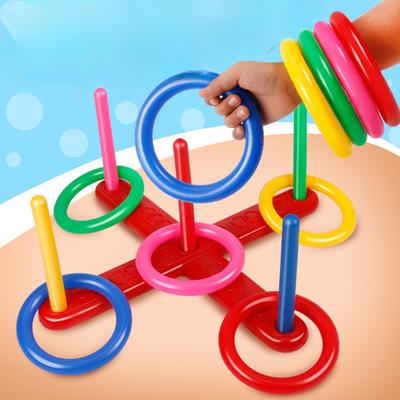
Top Demand Picks Interactive Ring Toss Game, Fun Stacking Ring Games For Early Education, Indoor Outdoor Sports And Fitness Toys For All Interactive Ring Toss Game, Fun Stacking Ring Games For Early Education, Indoor Outdoor Sports And Fitness Toys For AlUnleash hours of active fun and developmental play with our Interactive Ring Throwing Game! This isn't just a toy; it's a gateway to laughter, healthy competition, and skillbuilding for the entire family. Perfect for sports and fitness enthusiasts,...21,97 $*Shipping: 0,00 $Secure redirect to the provider
-
Youfap Market Pinball Battle Table Toys, Children Board Games, Soccer Marble Shoot Game, Family Fun Interactive Social Toy Pinball Battle Table Toys, Children Board Games, Soccer Marble Shoot Game, Family Fun Interactive Social ToyEngage in Interactive Family Fun with the Children Pinball Machine This children pinball machine provides hours of interactive fun, combining the thrill of board games with the excitement of pinball battle. Designed for kids and families alike, it...64,97 $*Shipping: 0,00 $Secure redirect to the provider
-
Smart Shopping Spot Educational Dart Board For Children Fun Indoor Sports Game, Montessori Inspired Learning Activity crocodileIntroduce your child to a world of fun and education with this Educational Dart Board designed for children. Perfect for nurturing fine motor skills and handeye coordination, this indoor sports game doubles as both a playful dartboard and a...29,97 $*Shipping: 0,00 $Secure redirect to the provider
-
On Spot Shop Interactive RC Robot Dog, Remote Control Electric Toy With DIY Assembly, Fun STEM Learning Gift For Boys & Children Interactive RC Robot Dog, Remote Control Electric Toy With DIY Assembly, Fun STEM Learning Gift For Boys & ChildrenSpark your childs imagination with this RC Robot Children's Remote Control Mechanical Dog Toy! Designed for handson fun and learning, this DIY assembling model combines play with STEM science teaching principles, making it an ideal electric set toy...23,97 $*Shipping: 0,00 $Secure redirect to the provider
-
How did monasteries originate?
Monasteries originated in the early Christian era as communities of devout individuals seeking to live a life of prayer, meditation, and service to God. The concept of monasticism was influenced by the teachings of Jesus Christ and the examples set by early Christian ascetics. Monasteries provided a structured environment for monks and nuns to dedicate themselves fully to their spiritual pursuits, away from the distractions of the secular world. Over time, monasteries evolved into centers of learning, culture, and hospitality, playing a significant role in the spread of Christianity and the preservation of knowledge. **
-
Can children in Europe also live in Buddhist monasteries?
Yes, children in Europe can also live in Buddhist monasteries. There are some Buddhist monasteries in Europe that welcome children and families to stay and practice Buddhism. However, it is important to research and contact the specific monastery beforehand to inquire about their policies and accommodations for children. Additionally, parents or guardians may need to accompany children during their stay in the monastery. **
-
Why were the medieval monasteries actually places of great education?
Medieval monasteries were places of great education because they were centers of learning and scholarship. Monks and nuns in these monasteries were often highly educated and dedicated to the pursuit of knowledge. They preserved and copied ancient texts, and many monasteries had extensive libraries. Monasteries also provided education to the surrounding communities, teaching reading, writing, and other practical skills. Additionally, they were often centers of scientific and medical knowledge, making significant contributions to the advancement of learning during the medieval period. **
-
Are there monasteries without religion?
Monasteries are traditionally associated with religious practices and beliefs, so it is rare to find a monastery without religion. The purpose of a monastery is usually to provide a place for religious contemplation, prayer, and communal living according to the beliefs of a specific faith. However, there may be some instances where a monastery has been repurposed for non-religious activities or functions, but these would be exceptions rather than the norm. **
Similar search terms for Monasteries
-
Perfect Picks Market Montessori Reusable Learning Cards Set For Kids Early Education Writing Practice Game Montessori Reusable Learning Cards Set For Kids Early Education Writing Practice GameTurn everyday learning into a fun, handson experience with these Montessori toys designed to spark curiosity and creativity. This engaging set of reusable cards helps young children build essential skills through play, making it perfect for early...39,97 $*Shipping: 0,00 $Secure redirect to the provider
-
Multicon Wholesale Hub Educational Learning Toys For Kids Fun, Interactive Learning Play For Toddlers Educational Learning Toys For Kids Fun, Interactive Learning Play For ToddlersSpark your child's curiosity and enhance their learning journey with these educational learning toys designed for toddlers ages 27. Carefully crafted to promote cognitive and motor skills, this interactive toy set offers a variety of activities that...59,97 $*Shipping: 0,00 $Secure redirect to the provider
-
The Cart Load NEW Educational Learning Toys For Kids, Toddlers, Interactive Learning Pad, Best Early Learning Tool For Children NEW Educational Learning Toys For Kids, Toddlers, Interactive Learning Pad, Best Early Learning Tool For ChildrenStimulate Learning Through Synergy with the NEW Educational Learning Toys for Kid Give your child a head start in their learning journey with the NEW Educational Learning Toys for Kids, designed to captivate and engage toddlers aged 2 to 7. This...39,97 $*Shipping: 0,00 $Secure redirect to the provider
-
Tiny Tots Teens Trends Drawer Game Early Education Montessori Wooden Pitch Ball Box Preschool Learning Training Toy Drawer Game Early Education Montessori Wooden Pitch Ball Box Preschool Learning Training ToyThis Montessori Wooden Pitch Ball Box Drawer Game is a thoughtfully designed earlyeducation toy that transforms playtime into purposeful learning. Crafted for toddlers and preschoolers, it offers a handson, engaging way to support key developmental...39,97 $*Shipping: 0,00 $Secure redirect to the provider
-
How do monasteries die out?
Monasteries can die out for a variety of reasons. One common reason is a decline in the number of monks or nuns joining the monastery, leading to a lack of new members to sustain the community. Additionally, changes in societal attitudes and values can lead to a decrease in support for monastic life, resulting in a decline in resources and funding for the monastery. Economic challenges, such as a lack of financial sustainability or the loss of patronage, can also contribute to the decline and eventual closure of a monastery. Finally, internal conflicts, leadership issues, or a loss of spiritual vitality can also lead to the decline and eventual demise of a monastery. **
-
How did medieval monasteries originate?
Medieval monasteries originated in the early Christian period as a response to the growing popularity of asceticism and the desire for a more contemplative and disciplined way of life. The earliest monastic communities were established by individuals seeking to live a life of prayer, meditation, and simplicity, away from the distractions of the world. Over time, these communities grew in size and influence, leading to the development of formal monastic orders and the construction of monasteries as centers of religious life and learning. The monastic movement spread throughout Europe, with different orders and traditions emerging, each with its own rules and practices. **
-
What do you think of monasteries?
Monasteries have a long history of providing a place for spiritual reflection, study, and communal living. They offer a peaceful environment for individuals seeking solitude and a deeper connection with their faith. Monasteries also often serve as centers of learning and preservation of cultural heritage. Overall, monasteries play a valuable role in society by promoting contemplation, education, and community service. **
-
Why do people go to monasteries?
People go to monasteries for a variety of reasons, including seeking spiritual guidance, finding peace and solitude, and engaging in religious practices and rituals. Monasteries offer a retreat from the distractions of everyday life, allowing individuals to focus on their spiritual growth and inner peace. Additionally, some people visit monasteries to learn from the wisdom and teachings of the monks and nuns who reside there, seeking to gain a deeper understanding of their faith and themselves. Overall, monasteries provide a space for individuals to connect with their spirituality and find a sense of purpose and meaning in their lives. **
* All prices are inclusive of VAT and, if applicable, plus shipping costs. The offer information is based on the details provided by the respective shop and is updated through automated processes. Real-time updates do not occur, so deviations can occur in individual cases. ** Note: Parts of this content were created by AI.